Head Ball 2 – My journey with it
Head Ball 2 is one of those games that looks like pure chaos until your brain clicks into its rhythm. Two bobble-headed players, a small side-view pitch, and a ball that never quite behaves the way you think it will. It is easy to write this off as mindless tapping. It is not. The harder you try to win in Head Ball 2, the more you realize there is actual craft hiding under the cartoon noise. On Android, that loop is quick and sticky, with short matches that fit into a commute and enough progression levers to keep you checking in throughout the day.
People land on this page for two reasons. First, to find out whether Head Ball 2 on Android is worth the time. Second, and usually more urgent, to figure out how to level up quickly without dumping money into packs. This review tackles both. I will start with how it feels to play and what the systems expect of you, then get into a detailed leveling guide you can actually use.
The feel of a match: messy, funny, and more tactical than you expect
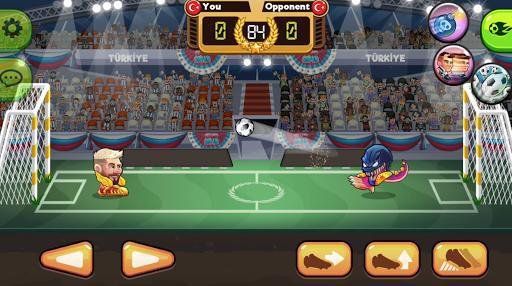
A single match in Head Ball 2 runs for a minute and a half or so, depending on the mode. That is short enough to attract drop-in players, but it is also short enough that every mistake hurts. The controls are as simple as mobile gets: left and right for movement, a jump button, a kick button, and a high kick. The first few games are spent trying to keep your character under the ball at the right moment. Then you realize that the whole thing is about angles, baiting, and timing superpowers.
The physics are intentionally exaggerated. Headers send the ball up like a lob, low kicks skim dangerously toward the goal, and wall bounces are never quite dead-on predictable. Good players use that uncertainty to force errors. If you tap jump early, you sail helplessly while a ground skim slips under you. If you camp the goal line, a high lob arcs behind your head and drops in. The game constantly punishes lazy habits, which is why it remains sticky after the novelty wears off.
Superpowers are the other half of the match flow. Freeze ball, shrink goal, big ball, invisibility, and so on. The exact lineup rotates and upgrades as you play. This is the spice that lets you flip momentum or shut a door in the last seconds. It can feel cheap when you get your perfect shot blocked by a last-second freeze, but that dynamic is part of the meta. You are not just managing your own superpowers but also trying to sniff out your opponent’s timing and bait them into wasting theirs.
Early on, the matchmaking throws you softballs. You might wonder if some of those first opponents are bots. It certainly has that vibe in the earliest ranks. As you climb, real players become obvious. You start running into people who disguise a jump, cancel forward momentum to set a trap, or patiently cycle the ball off the sidewall until you crack. In short, if you are bored, you are probably still in the shallow end.
Superpowers as momentum swings
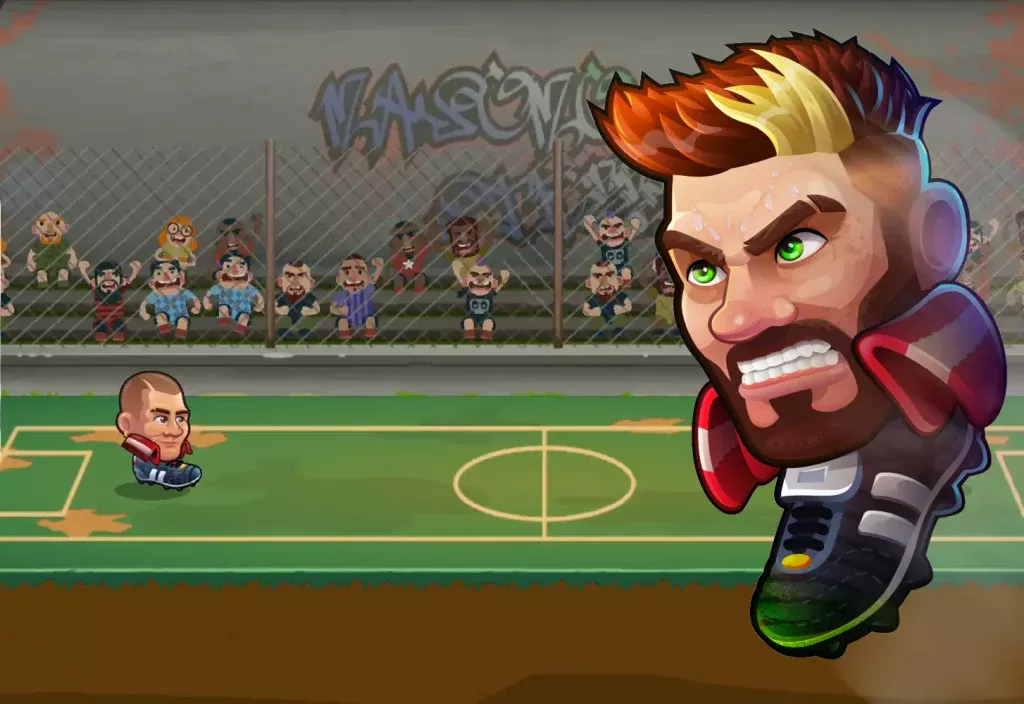
Superpowers define the game’s personality. They also generate most of the salt. You might be up 2-0 and then eat a chain of effects that make your goal enormous and your character tiny. Expect swings. The trick is not to panic. If your opponent locks a freeze or big ball early, lean into defense, waste their timer, and use the open space after it expires. If you are ahead, save a disruptive power for the last 10 seconds. Scoring at 1:29 into a 90 second match does not mean much. Scoring at 1:29 and sitting on a shrink-goal or freeze to waste the kickoff absolutely does.
As you level, you unlock stronger versions of powers and can carry more of them. That is where the monetization shows up most clearly, because you can progress faster with currency. Still, timing often beats raw power. Someone who throws everything the moment it is available hands you a free window later in the match. The cleanest wins I have seen come from patient, boring players who do not chase style points.
Progression: cards, coins, fans, and the slow climb
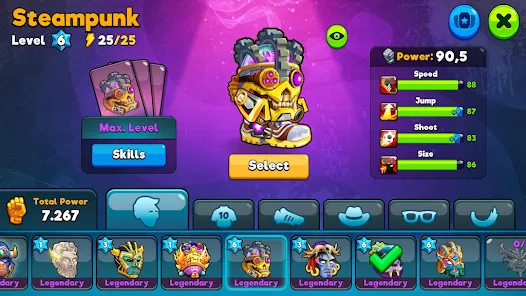
Head Ball 2 wraps the quick match core in a familiar mobile loop. You collect cards to unlock and upgrade characters and accessories, you spend coins to push those upgrades through, and you chase fans to move up through leagues and stadiums. Diamond currency goes toward higher quality packs or event entries. Daily missions and time-limited events deal a steady stream of small rewards and an occasional big one if you check in reliably.
The roster system matters. Different characters emphasize different stats like speed, jump, and shot power. Accessories nudge those stats further. It is tempting to upgrade a little bit of everything as soon as you pull it, but that is a fast way to burn coins and dilute your pool. The economy quietly rewards specialization. Pick a core character that suits your style and feed it aggressively. Accessories should follow the same logic. A spread of half-leveled hats and boots looks nice in a collection screen and does nothing for your win rate.
Fans are the public measure of your run. Win streaks accelerate fan gains and push you into higher leagues. Those leagues improve rewards and competition. Losing streaks pull you back. This is standard for mobile sports games, but it is worth spelling out because your schedule and mood should shape when you push and when you cruise. If you are tilted or your connection is flaky, put the phone down. No daily reward is worth flushing a streak.
There are also seasonal tracks that hand out cosmetics and power-ups as you hit milestones. They are fine. They do their job. If you are free to play, take what you get and do not feel compelled to over-optimize. The daily free pack timers and simple missions contribute more consistently than chasing every seasonal carrot.
Monetization and the line between fair and grindy
There is no way around it: you can pay to speed up progression. Packs convert to cards, cards turn into upgrades, and upgrades improve your stats and superpowers. The game gives steady free pulls and ad-boosted bonuses, so you do not hit a hard paywall. You do, however, run into plateaus where top opponents have slightly better stats and more disruptive power loadouts. The good news is that efficient play and smart timing still steal a lot of wins. Unless you are chasing the absolute top of the board, you can live comfortably without spending. If you do spend, it is most efficient to wait for pack bundles that guarantee cards for the character you are actually using. Random upgrades feel good in the moment and go stale quickly.
Ads exist. You can watch ads for extra chests, refreshes, or small boosts. There can also be interstitials around menus. If you hate ads in any form, this will grate. If you are fine treating them like coin generators, the game pays you back with a trickle of progress that adds up over a week.
How to level up quickly on Android: a practical guide that actually works
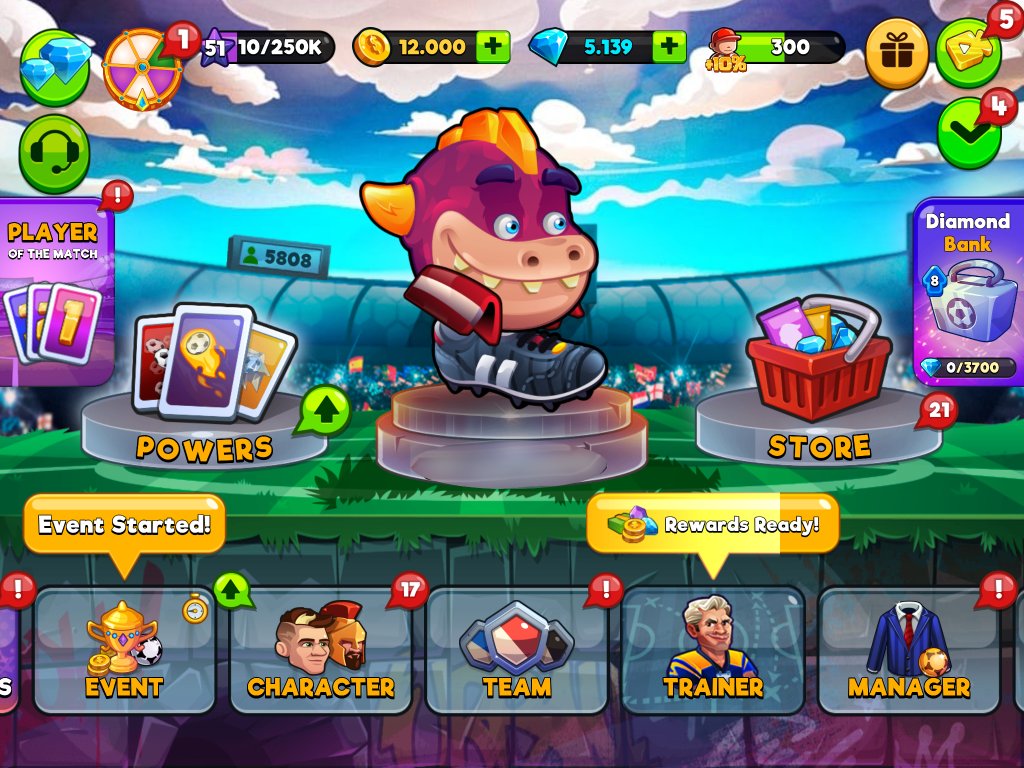
Leveling up in Head Ball 2 is not one single bar. You are raising your account level, your character levels, your accessory levels, and your league position through fans. People usually mean two things when they ask how to level up quickly: how to progress to tougher stadiums and rewards, and how to make their character stronger faster. Here is a grounded approach that respects your time and coins.
Pick a main and live with it
The biggest mistake is to spread early coins and cards across several characters. Pick one character whose default stat mix suits your temperament. If you like counterpunching and goalkeeping, lean into jump and size. If you like pressing high and shooting early, speed and shot power matter more. Then commit. Feed that main every upgrade you can afford. The game’s economy rewards concentration because duplicates of the same character turn into more affordable upgrades, and your match performance improves faster when a single build gets most of the resources.
Accessories should follow the same rule. Do not chase sets just because the icons look cool. Equip items that nudge your main’s strongest attributes instead of trying to cover every weakness. It is better to be great at your game plan than average at all plans.
Win more with small habits, not hero plays
Leveling speed correlates with win rate. Your opponents’ gear and stats matter, but habits add more wins than any single upgrade. A few simple ones:
- Stop jumping reflexively. Meet most balls on the ground and jump late if needed.
- Protect kickoff goals. After you score, expect a fast restart and stay centered. Do not chase the celebration animation. Position first.
- Edge forward, then cut back. Bait your opponent into committing high, then let the ball drop and skim it under them.
- Use the sidewalls. If you are stuck in a block, chip to the wall and re-center. Side bounces create weird angles that open space.
- Learn two reliable shot patterns. For example, a low skim from midfield, and a two-tap lob that drops just behind the defender. Spam only those when it matters.
- Milk a lead. Up one goal with 15 seconds left means you play keep-ball and waste their power windows. Style can wait.
Superpower timing is free power
You will not out-upgrade everyone, but you can out-time them. General rules of thumb:
- Do not fire everything on cooldown. Hold at least one defensive power for the last 10 to 15 seconds.
- Bait first, punish second. Nudge toward a shot, watch them panic-power, then back off and save yours.
- Stack disruptive with finish. If you plan to shoot, combine a shrink-goal or freeze with your attempt, not in isolation.
- Counter chains by doing nothing. If they inflate the ball and rush, let it bounce harmlessly away, then counter when it deflates or expires.
Use the calendar, not just your thumbs
Daily freebies, missions, and event windows multiply your progress. If you have 20 minutes, it is often better to check in three times for 7 minutes than once for 20. Why:
- Free packs and chests run on timers. Set light reminders to open them as they refresh.
- Daily missions often ask for basic tasks like scoring goals, using powers, or playing a set number of matches. Completing these yields coins, diamonds, or pack progress.
- Event periods sometimes grant boosted rewards or increased fans. If you care about rank, push during those windows.
It sounds obvious, but the game is designed to reward short, frequent sessions. Play to the design rather than against it.
Spend coins and diamonds like you will still be here next week
Coins are the main limiter. Diamonds feel premium, but coins are what you run out of first. A simple plan:
- Upgrade only what you use. If an upgrade is for your main character or a core accessory you always equip, do it. Otherwise, bank the coins.
- Save diamonds for targeted packs or guaranteed pulls that feed your main. Random small packs feel good and rarely help your build.
- Avoid splitting upgrades across two mains unless a balance patch or new pull radically changes your prospects. Switching mains is expensive.
Join social features for passive gains
If you use the game’s social layer, whether it is called a team, club, or something similar, you usually get access to shared goals, chests, or small boosts for collective activity. Treat those as free progress. Even if you are not the chatty type, quietly contributing match points adds up and often unlocks a weekly chest that drops cards and coins.
Play when your connection is good and your head is clear
It is not motivational poster advice. Your win rate spikes when latency is stable. If you feel input delay, switch to Wi-Fi or wait until you are not between cell towers. Equally important, avoid pushing ranked late at night when frustration tolerance is low. A messy tilt streak erases a day of smart upgrading.
Defend first, then attack on schedule
A reliable defensive structure lifts your average result more than fancy shots. Basic plan:
- Start each match centered and a half step back from midfield. React, do not predict.
- If the ball is high, drop under it instead of jumping toward it early. Late jumps take the ball off the top of your head into a safe zone.
- Clear low and wide rather than high and central. High central balls invite lobs. Low wide clears make your opponent move.
- If you are down late, keep one power to block their counter after you score. Nothing kills a comeback like an immediate kickoff goal against you.
Two workhorse attack patterns to master
You do not need a trick book. You need two consistent routes to goal that work under pressure.
- Low skim: From just past midfield, nudge the ball ahead of you and snap a low kick while it is descending. This sends a fast skid at ankle height that is hard to react to if they are mid-jump.
- Lob-drop: Tap the ball upward in your half, then backpedal a step so the ball falls behind your opponent’s line. Time a late jump to glance it over their head. It is not a high rainbow, just a quick drop into the blind spot.
Practice these in unranked games or during low-stakes sessions and lean on them in tight moments.
Ad economy without the burnout
If you are comfortable with rewarded ads, set a soft cap. Watch a couple when you sit down, get your extra chest or currency, and then play normally. Grinding ads endlessly drains enjoyment and does not multiply returns as much as you think. The goal is to grease the wheels, not turn the game into a second job.
Know when to stop
Leveling quickly is not about playing forever. It is about playing well, often, and quitting early on bad sessions. Three losses in a row is a hard stop. Go do something else, come back later, open a chest, and let the matchmaker reshuffle your lane.
Realistic expectations for free players
You can progress, upgrade a main to a competitive level, and live in mid to high leagues with patience. You will run into players with bigger stats and scarier power chains. You will also beat a surprising number of them if you apply the habits above. Focus on your win rate over time rather than any single match. The game’s systems reward streaks and punish tilt. Your job is to create conditions where streaks are possible and tilt is rare.
Who Head Ball 2 is for right now
If you want a short-session competitive game on Android that leans more arcade than sim, Head Ball 2 still has juice. It respects your time in match length, if not always in menu taps. The monetization is present and sometimes loud, but it does not erase the skill edge. If a minute and a half of cat-and-mouse with ridiculous power-ups sounds like stress relief, this is worth a download. If you crave precise physics and pure competition with clean stat parity, the power layer will push your buttons in the wrong way.
Verdict
Head Ball 2 survives because it finds the sweet spot between slapstick and strategy. On Android, it runs well, fills small breaks in the day, and rewards players who think about timing and positioning. The progression can feel grindy, and the power swings will occasionally make you want to uninstall. Then you sneak a last-second skim under a defender who panicked, and the whole thing makes sense again. Go in with a plan, focus your upgrades, and treat losses like weather, not fate. If your goal is to level up quickly, that mindset matters as much as any currency plan.
Quick reference checklist for faster leveling
If you just want a condensed plan you can screenshot, here it is.
- Pick one main character and feed it. Accessories support your main’s strengths, not cover every weakness.
- Upgrade only what you equip every match. Bank coins for those upgrades first.
- Save diamonds for targeted or guaranteed packs that support your build.
- Open free packs on cooldown. Finish daily missions. Log in during event windows.
- Win with habits: fewer jumps, more grounded interceptions, and two reliable shot patterns.
- Time superpowers. Keep at least one for the final 10 to 15 seconds or to protect a kickoff.
- Push ranked on stable Wi-Fi, not spotty cellular. Stop after three losses.
- Use social features for passive chests and small boosts.
- Play short, frequent sessions instead of one long grind. The calendar pays you for it.
That mix of discipline and timing is what turns the chaotic fun of Head Ball 2 into steady progress on Android. It is not magic. It is a bunch of small, boring choices that make your next upgrade matter and your next match simpler. Do that for a week, and your league badge will catch up to your instincts.