If you search for the best virtual pet games on Android, you’re probably not looking for a spreadsheet of stats. You want something you can open for a few minutes, check on a creature you care about, and feel a tiny spark of delight. That’s the heart of the genre: a loop that rewards short sessions and consistent attention without making you feel like you’re grinding a job.
With that in mind, this list narrows the Android catalog down to seven virtual pet games that actually hold up. They aren’t all trying to do the same thing. Some lean into cozy collecting, others stick to classic feed-wash-play cycles, and a few add minigames you’ll actually replay. Importantly, each game here feels different in daily use. And yes, Pet Pals is included, since a lot of folks are searching for it specifically.
How we chose these seven
Virtual pets live or die on routine and attachment, so the picks below were chosen around the experience, not the feature lists. We looked for:
- A clear, satisfying daily loop you can finish in minutes.
- Progression that feels like care, not chores.
- Monetization that stays in its lane. Free-to-play is fine; pushiness is not.
- A distinct style or focus so the list doesn’t feel like the same app reskinned seven times.
Android availability can shift, so if you don’t see something in your local store, it’s often a regional listing difference rather than a sign the game vanished. When in doubt, stick to official listings from the developer.
1) Pou
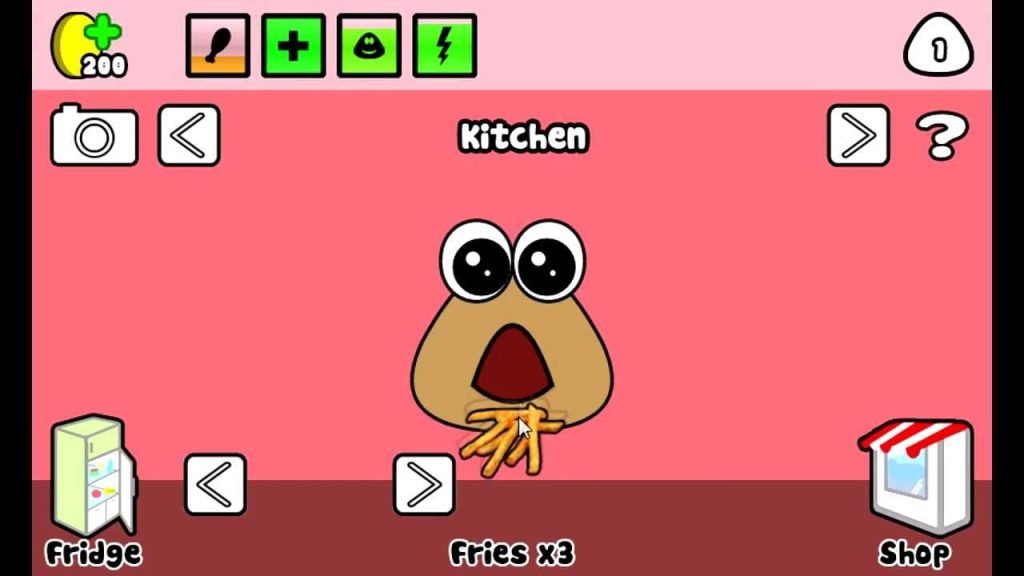
The brown, potato-shaped pet that refuses to become outdated still nails the basics better than most. Pou is a straightforward virtual pet that keeps its loop brutally simple: feed it, clean it, put it to sleep, dress it, and dip into a surprisingly large cabinet of quick arcade-style minigames to earn coins. You level up over time and unlock backgrounds, outfits, and items without getting bombarded by systems.
Why it still works: there’s almost no friction. Needs are readable at a glance. The minigames are the kind you can play one-handed while waiting in line. The shop is packed with small cosmetic rewards, and the incremental unlocks hit that “one more check-in” itch. It feels like a modernized Tamagotchi with fewer punishments and more distractions.
What a session feels like: five minutes is enough to top up hunger, hygiene, and energy, change an outfit, and squeeze in a few rounds of a score-chaser. Ten to fifteen minutes can turn into a light decorating spree as you swap wallpapers and furniture you’ve saved up for. There’s no big narrative, but that’s the point. Pou’s personality is the sum of your routine.
Play pace: casual, bite-sized, repetition-friendly. Good both as a primary pet app and as a secondary one you dip into between bigger games.
Who it’s for: anyone who wants a no-drama virtual pet where progression is steady and obvious. If you bounced off apps that layer on energy systems or complex crafting, Pou feels refreshingly direct.
2) My Talking Tom 2
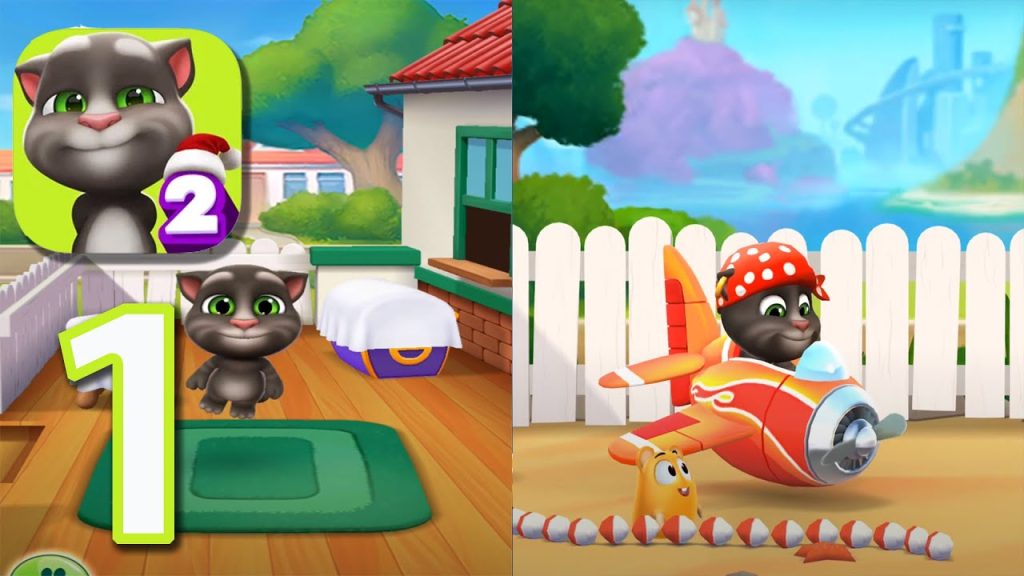
Outfit7’s Talking Tom universe isn’t shy about its cartoon sheen, but My Talking Tom 2 earns its spot because it actually respects the pet-care loop. The core is familiar: monitor Tom’s needs, feed him, tidy him up, and keep him happy with toys and minigames. Each action is animated to sell a sense of bonding, from the way Tom reacts to food to the little routines in the bathroom and bedroom.
What changes the rhythm is that Tom feels like a character in motion, not a static meter you fill. You collect outfits and furniture to tinker with his space, and there’s a layer of light novelty through toys and time-based activities that make daily returns feel different. It’s also a strong option if you like having a single, expressive character to invest in rather than a whole roster of pets.
What a session feels like: quick rounds of care intercut with minigames. You hop in, clean up Tom, feed him a mix of realistic and silly food, and take a quick spin through a few simple games to chase coins for cosmetic upgrades. There’s voice and mimicking too if you’ve used other Talking Tom apps, but the pet loop is what carries the experience day to day.
Play pace: short-session, animation-led care with arcade breaks. It’s easy to play in public since most interactions are simple taps and drags with clear finishes.
Who it’s for: players who want a polished, character-driven virtual pet with plenty of cosmetics to unlock and a stable routine that doesn’t spiral into complexity.
3) Neko Atsume: Kitty Collector
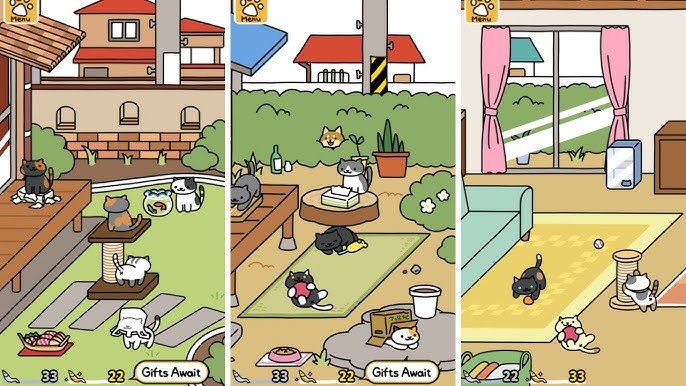
Not all virtual pets want your constant attention. Neko Atsume flips the formula by asking you to curate a backyard for visiting cats rather than micromanage a single creature. You lay out food and toys, close the app, and return later to see which cats stopped by. Each visit earns currency and snapshots for your photo album, and rare cats appear when you meet certain conditions or present specific toys.
This is an idle, observational take on the genre that rewards patience. It’s less about petting a single animal and more about being a good host. The payoff is in the album: a slow-growing record of cats who visited, how they lounged on that cushion, and the little mementos they might leave behind. It’s one of the most calming loops on Android because you’re never rushed.
What a session feels like: thirty seconds to restock food, swap a toy or two, and peek at your visitor log. Once or twice a day is enough to keep it humming. The longer arc is deciding what to save up for next and how to arrange your space to lure a rare visitor you haven’t photographed yet.
Play pace: very chill, appointment-style. Perfect if your day doesn’t make room for constant tapping and you enjoy the slow anticipation of collecting.
Who it’s for: people who like cozy collecting and gentle goals. If you’ve ever preferred the museum in a life sim to the main quest, this is the virtual pet that clicks.
4) KleptoCats
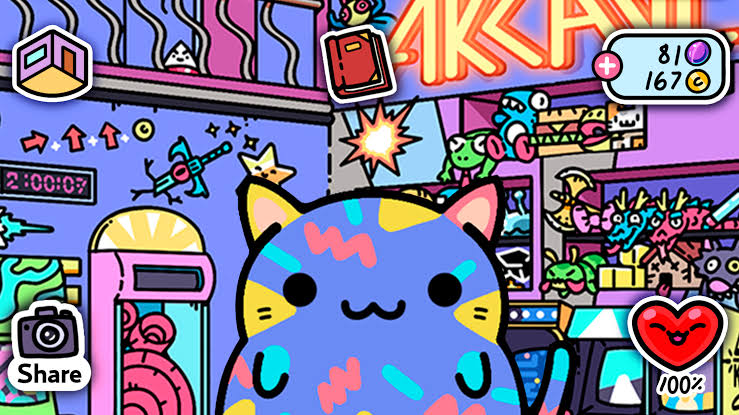
KleptoCats takes the pet-care shell and fills it with oddball humor. Your cats don’t just nap and eat; they disappear on “expeditions” and return with random, often ridiculous objects that slowly fill your room. Half the fun is checking what turns up next: a mysterious statue, a goofy gadget, something that makes you wonder where on earth a house cat found it.
The routine is intentionally low-friction. You pet and pamper your cats to keep them happy, send them out, and then come back to see what they dragged home. Over time, you unlock more cats, more rooms, and a growing parade of decorations that tell a wordless story about your space. Mini-interactions give you something to do while you wait, but the real hook is the collection wall quietly filling up with nonsense.
What a session feels like: check in, send a cat, do a little tidying or quick tap tasks, log off. Repeat throughout the day when you remember. It’s not frantic, and it doesn’t need to be. The surprise is the reward.
Play pace: idle-light with collectible focus. Great if you like a bit of absurdity with your pet care.
Who it’s for: players who enjoy inventory-driven progression and visual humor more than dressing up a single, named pet. If you get a kick out of unlocking weird decor, this one keeps giving.
5) Bubbu — My Virtual Pet Cat
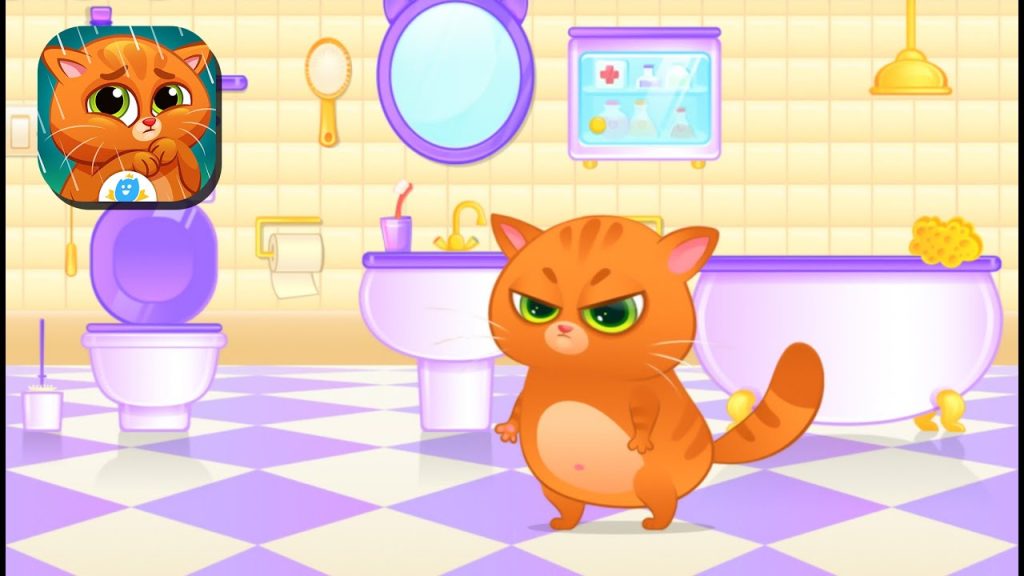
If you want a classic, heart-on-its-sleeve cat sim, Bubbu is a reliable pick. You care for a single cat across different rooms of a house, each one keyed to an activity: cooking, bathing, sleeping, playing, and so on. Minigames are woven in across those spaces, so a few minutes of care can naturally expand into short arcade rounds without bouncing between menus.
What makes Bubbu stand out is how it balances cosmetics and routine. Dressing your cat and tweaking rooms is gratifying, but the day-to-day beats of cooking a meal, petting the cat to brighten its mood, and bedding down for the night feel intentional rather than perfunctory. It’s a gentle loop that doesn’t try to outsmart itself with layers of systems.
What a session feels like: a little tour of the house. You’ll check a need or two, then fall into a quick game to earn currency or a resource for a recipe or decorative item. It’s structured so even a short stop feels complete.
Play pace: traditional pet-care cadence, a notch slower than high-energy arcade-heavy apps and a notch faster than passive collectors.
Who it’s for: anyone who wants the classic “one pet, one home” experience with a friendly art style and a straightforward sense of progress.
6) My Boo
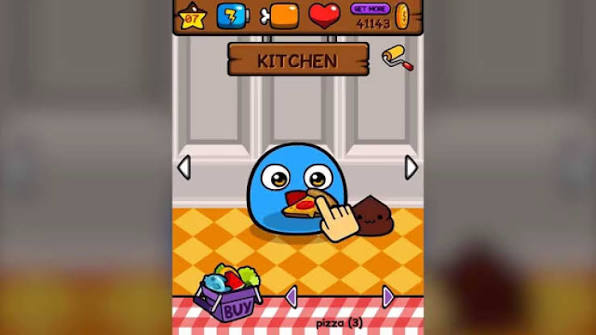
My Boo drops realism entirely and gives you a blobby, expressive creature that exists to be fussed over. You feed it snacks, bathe it, play with it, and then dive into a huge selection of minigames to earn coins for outfits and decorations. Everything is big, bright, and punchy. If the idea of a virtual pet makes you think of fast score runs and collecting costumes, this fits like a glove.
The trick here is how the minigames carry the experience. There’s real variety, not just reskins, which makes grinding for that specific outfit feel less like work. The pet-care layer is intentionally frictionless: needs rise at a readable pace, actions are quick, and the feedback loop from “play a minigame” to “buy something fun” is short enough to stay motivating.
What a session feels like: a burst. Clear a few needs in seconds, then sink most of your time into whichever mini you’re in the mood for. Pop back to the shop, buy something silly, repeat. It’s the arcade-forward end of virtual pets.
Play pace: fast, snackable, minigame-led. Great in short commutes or quick breaks when you want instant feedback rather than slow-burn collecting.
Who it’s for: players who like the idea of a pet but stay for the arcade loop, and anyone chasing frequent cosmetic unlocks without getting bogged down in micro-systems.
7) Pet Pals
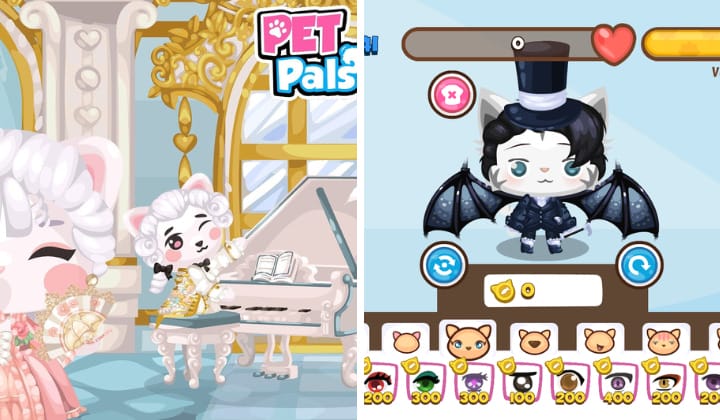
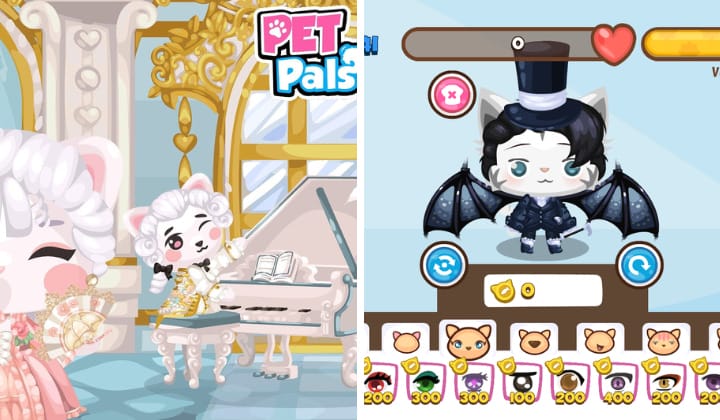
Pet Pals is a gentler option that focuses on care over spectacle. The appeal is familiar comfort: adopt a cute companion, handle the basics like feeding and grooming, and check in for short activities that keep your pet happy. It aims for a lighter touch than the louder virtual pet apps, which makes it easy to recommend to anyone who wants a calmer space to settle into.
Part of the charm is routine that doesn’t overcomplicate itself. You’ll do the essentials, hop into a few bite-size minigames when you have time, and gradually collect outfits and room items to make your pet feel like yours. The collection side is there, but it doesn’t crowd the act of care. It’s an approachable, steady loop that simply asks you to show up and be present for a creature you like.
What a session feels like: two or three minutes of tending to needs, a quick round or two of a simple game, maybe a new accessory if you’ve saved up enough. There’s room to linger, but it also respects your time if you just want to check in and out.
Play pace: slow to moderate, routine-first. Easy to fit around a busy day.
Who it’s for: anyone searching specifically for Pet Pals, and players who prefer soft edges, low pressure, and the comforts of classic virtual pet care without the noise.
How these seven feel different from each other
It’s easy to lump every virtual pet together, but the day-to-day experience does vary. Pou and Bubbu are classic care loops with steady unlocks, though Pou leans more on simple arcade distractions and Bubbu ties everything back to the home. My Talking Tom 2 gives you a single, animated character to bond with, polished to a sheen. Neko Atsume flips the script into a host-and-collect routine that rewards patience. KleptoCats turns your pet into a chaos courier for a growing museum of oddities. My Boo is the arcade-heavy dopamine machine. Pet Pals eases off the gas for a routine-first approach.
Picking the right one isn’t about features on paper so much as pace. If you want a quiet check-in app you can set and forget, Neko Atsume or Pet Pals are the safest bets. If you need constant goals and a feeling of “I did a lot” in three minutes, My Boo or Pou will keep hitting that switch. For a central character with a bit of spark, My Talking Tom 2 and Bubbu are comfortably in the middle. If you want a collection that grows in bizarre directions while you do very little, KleptoCats is hard to beat.
duce ad frequency, or plan to supervise early sessions until the routine clicks. Most of the picks above play well without spending, as long as expectations are aligned around slow-and-steady progress.
What “good” feels like in this genre
When you’ve landed on the right virtual pet, your time starts to shape the creature. That might mean a backyard filled with lounging cats in Neko Atsume, a home slowly decorated in Bubbu, or a wall of absurd trinkets in KleptoCats that tells its own story. The difference between a keeper and an uninstall often comes down to whether you want to open the app tomorrow to see what changed. These seven all have an answer to that, and they get there without burying you in chores.
Which one should you start with?
If you want a quick recommendation: pick Pou if you want a classic, no-drama loop; My Talking Tom 2 if you want a single animated star with lots of polish; Neko Atsume if you want something gentle you don’t need to babysit; KleptoCats if you want a collection of oddities that grows while you’re away; Bubbu if you want a cozy home and a clear, daily rhythm; My Boo if you want minigames first and pet care second; and Pet Pals if you want a softer, routine-forward option that stays out of your way.
There’s no wrong starting point. The genre’s strength is how warmly it supports different rhythms of play. Try one, live with it for a few days, and if it doesn’t stick, move to the next. The right virtual pet is the one you remember to check on without a push notification telling you to.