People searching for the best romance games for Android in 2026 are usually trying to find something very specific: a game they can sink into that delivers the feeling of falling in love, not just a list of popular apps. Some want an otome route to obsess over. Others want LGBTQ+ options without slogging through a thousand low-effort episodes. A few want a quiet life sim where love grows alongside crops and home upgrades. This guide keeps that reality in mind. We’ve focused on how these games actually play, how progression works, how they handle choices and currency, and whether they respect your time.
We didn’t chase every title using the word “romance” in its description. Instead, we curated reliable standouts that have held up over time, updated where it matters, and still feel good to pick up in 2026.
How to pick a romance game on Android
- Decide your format first. Romance on mobile tends to fall into a few camps: route-based otome visual novels, interactive story apps with many short-running series, chat simulators that unfold in real time, and life sims where romance is part of a bigger loop.
- Check the pace you want. Some games are short-session daily check-ins with energy systems. Others are premium one-time purchases you can binge offline. If you hate timers, look for premium visual novels or life sims.
- Look at how choices work. In free-to-play story apps, the biggest romantic moments are often locked behind premium choices. Decide if you’re okay saving up currency for those scenes.
- Consider inclusivity. Many modern titles include male, female, and nonbinary paths, but not all routes are equally developed. Scan the store listing and early chapters for clarity before committing.
- Monetization matters. Gacha-heavy titles can be fun if you like collecting cards and participating in events, but they’re a bad fit if you want a complete story without spending.
Editors’ picks: the best romance games for Android in 2026
Mystic Messenger

What it is: A real-time chat-based otome where you join a mysterious group chat and fall into a multi-route story that plays out over set windows of the day.
How it plays: You’re basically living inside a group chat. Conversations unlock at specific times, characters call you, and email mini-quests run in parallel. Miss too many chat windows and you’ll feel it in your route progress. The structure is deliberate: a common early section, then a branching route with timed chats, and a party you need to prepare for by responding to guest emails correctly. The game uses “hourglasses” as premium currency to backtrack missed chats or unlock extras. It’s one of the few mobile romance games where the format itself does half the storytelling. The pacing makes relationships feel earned because they arrive on their own schedule, not only when you tap “next.”
Why it stands out: It nails the sensation of texting someone you’re into. The performances land, and the real-time structure turns simple choices into anxious little commitments. If you want a romance that intrudes into your day the way a crush does, this is it.
Good for: Players who like commitment-based play, real-time chat narratives, and character-driven routes with multiple endings.
Tears of Themis
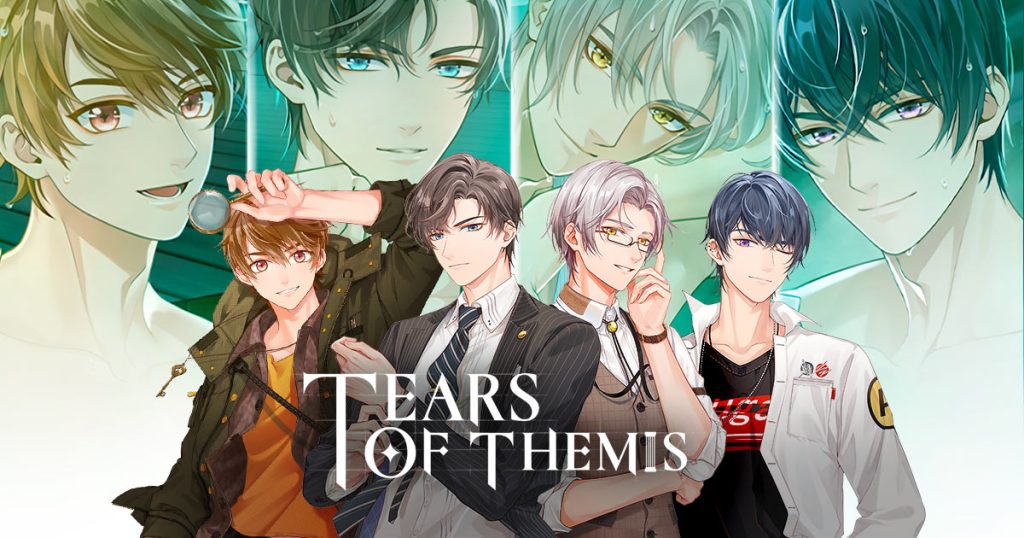
What it is: A detective-otome hybrid from HoYoverse that balances romance with investigations, courtroom-like debates, and a collectible card layer.
How it plays: Each episode mixes point-and-tap investigation scenes, a story chapter, and debate bouts. Debates are essentially battles where you use character cards with different attributes and skills; you level and evolve these cards to clear tougher stages. The main routes are linear per event, but you’ll build relationship meters through dates and side stories. The cadence is familiar to gacha fans: daily stamina, weekly tasks, rotating events, and limited cards that add side scenes. But the romance is front and center, with frequent voice-acted moments that let you lean into a particular lead’s personality.
Why it stands out: It’s not just a pretty VN with choices; the debate system provides a mechanical rhythm and something to tinker with between story beats. When it’s clicking, your card roster tangibly supports your romantic progress.
Good for: Players who like a strategic layer and don’t mind live service events; fans of sleek production values and voice-acted dates.
The Arcana: A Mystic Romance
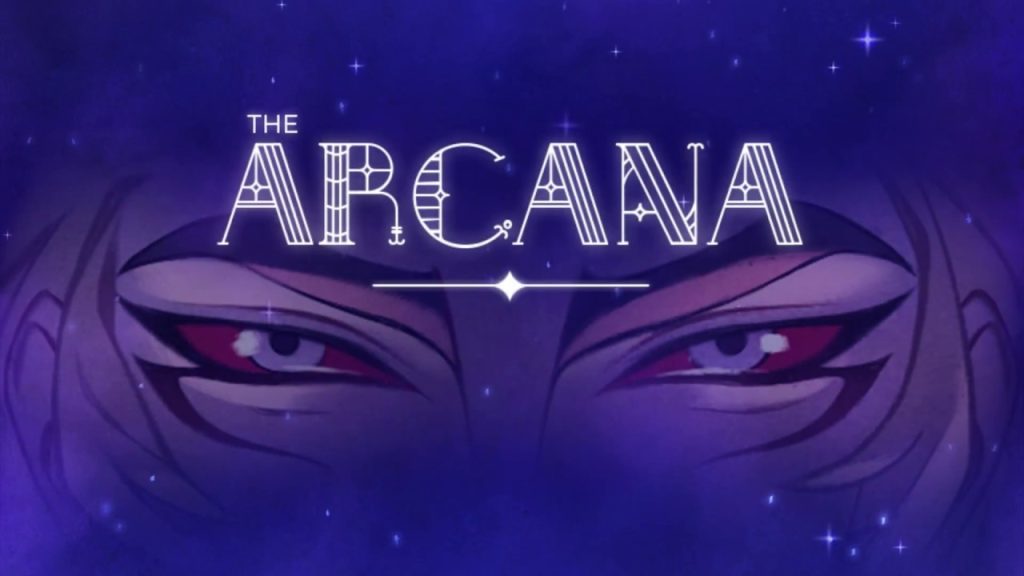
What it is: A tarot-tinged romance VN with lush art, inclusive romance options, and fully realized routes for a memorable cast.
How it plays: Pick a route and move through chapters, making choices that color scenes without getting lost in stat spreadsheets. The economy uses keys and coins; daily play grants enough to keep moving at a comfortable pace, while premium scenes and outfits sit behind paid currency. The writing leans into mystery and seduction rather than micro-drama, and the setting makes each confession or betrayal feel operatic. Replaying routes to catch variations is part of the appeal.
Why it stands out: It’s an example of a free-to-play romance VN that doesn’t feel cheap. The characters are textured, the routes feel complete, and the art direction is confident.
Good for: Players who want inclusive romance with strong art direction and digestible daily sessions.
Obey Me! series (including Nightbringer)

What it is: A long-running franchise where you’re dropped into a school full of demon brothers and slowly charm your way into their hearts.
How it plays: Story chapters alternate with progression battles that use collectible character cards. You’ll raise intimacy by doing lessons, interacting with characters, and clearing events. It’s a quintessential mobile loop: log in, handle dailies, push the story, then spend time on events that unlock side scenes or special illustrations. The hook is consistent characterization and a steady feed of bite-size moments that sell the fantasy of living with chaotic supernaturals who happen to be very into you.
Why it stands out: It knows exactly what it is: character-first romance with lots of recurring gags and affectionate banter. If you click with even one brother, the cadence of check-ins becomes oddly comforting.
Good for: Fans of character collecting, event-driven play, and modern supernatural romance with a sense of humor.
Mr Love: Queen’s Choice (Love and Producer)

What it is: A polished, contemporary romance about a small media producer entangled with four leads who all have secrets. It folds texting, voice calls, and work management into the courtship.
How it plays: Story chapters are interspersed with management stages where you build a deck of “Karma” cards to pass level checks. Those cards unlock side scenes, calls, and photos for your favorite lead. It’s a true live service: rotating events, seasonal sets, and recurring reruns for latecomers. What keeps people playing is the combination of modern romance tropes with small, tactile interactions like returning a phone call or opening a late-night text that pushes the relationship forward.
Why it stands out: The leads are distinct archetypes, polished to a mirror shine, and the game makes excellent use of phone UX as a storytelling tool.
Good for: Players who enjoy gacha collection attached to a grounded, contemporary love story with multimedia flourishes.
Ikemen series (Ikemen Vampire, Ikemen Sengoku, and more)
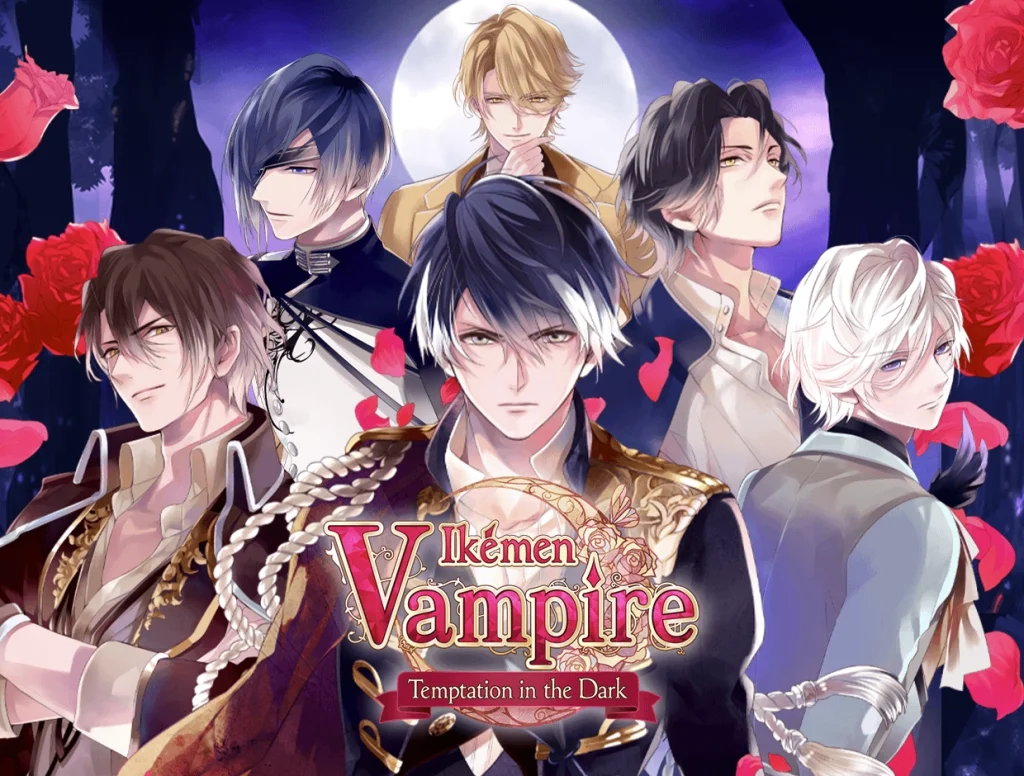
What it is: Route-based otome with daily tickets, light avatar dress-up, and historical or fantastical setups depending on the title.
How it plays: You read a set number of free chapters per day, save premium currency for checkpoint items, and push toward one of multiple endings. Dress-up elements matter because certain checkpoints require a charm threshold; outfit sets provide the bump you need. It’s a clear, predictable rhythm, and it works because the writing and route design target classic otome beats: rivals, misunderstandings, big declarations, and the satisfying click into the best ending once you’ve earned enough affection.
Why it stands out: If you want reliably structured otome with a clear daily routine, the Ikemen games are steady and generous enough once you learn the cadence.
Good for: Players who like a daily reading habit with light collection and traditional route structures.
Amnesia: Memories
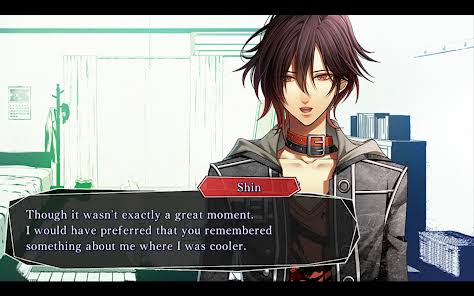
What it is: A premium-leaning otome classic built around a protagonist who has lost her memories. Your choices manage both romance and survival.
How it plays: Instead of hopping between routes via a shared prologue, you choose a “world” that corresponds to a specific lead and set of rules. Two hidden meters quietly track your affection and how suspicious or dangerous your situation is. Endings range from heartwarming to deeply unsettling, and they depend on the combination of those meters. It’s structured for replays: save often, experiment, and chase different conclusions.
Why it stands out: The tension between staying alive and building trust gives the romance real stakes. It’s one of the few mobile otome titles where a bad ending can feel like a cautionary tale rather than simple failure.
Good for: Players who prefer premium or one-time-pay experiences with strong route identity and meaningful bad endings.
Romance Club: Stories I Play
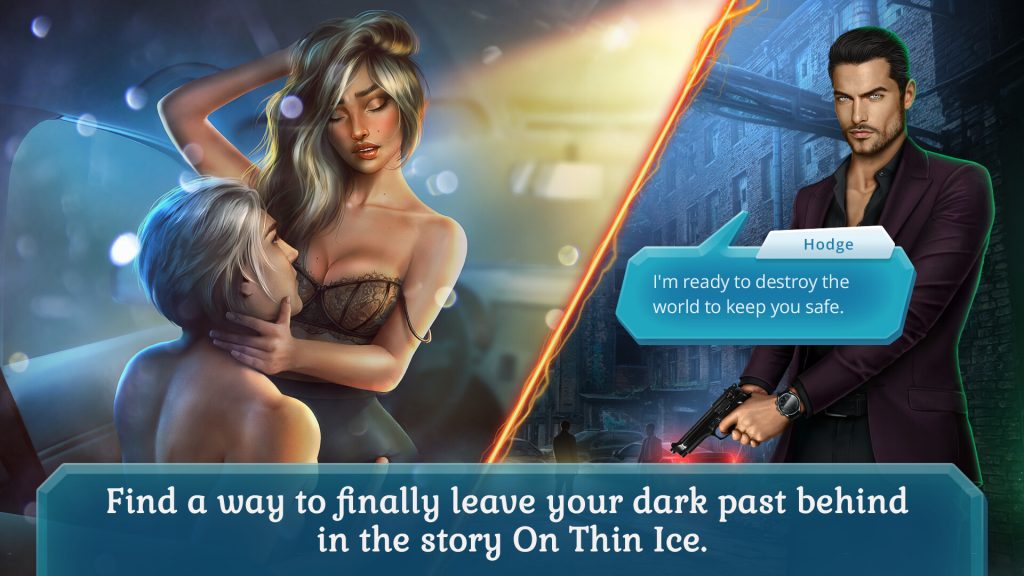
What it is: A sprawling interactive story app with multiple ongoing book series, generous daily rewards, and a reputation for giving players meaningful romantic agency without holding every good scene for ransom.
How it plays: You pick a book, make choices that shift personality flags and relationships, and spend premium currency on “special” scenes or outfits. Compared to some competitors, it’s relatively friendly about letting you save gems for the scenes that matter most. Many books allow you to choose the gender of your love interest and stick with them consistently, rather than hopping routes mid-season.
Why it stands out: The library is wide and updated regularly, but it’s the pacing that earns loyalty. Chapters move, cliffhangers land, and love interests feel present across episodes instead of disappearing for stretches.
Good for: Readers who want variety in tone and setting, with romance that actually anchors the plot.
Choices: Stories You Play
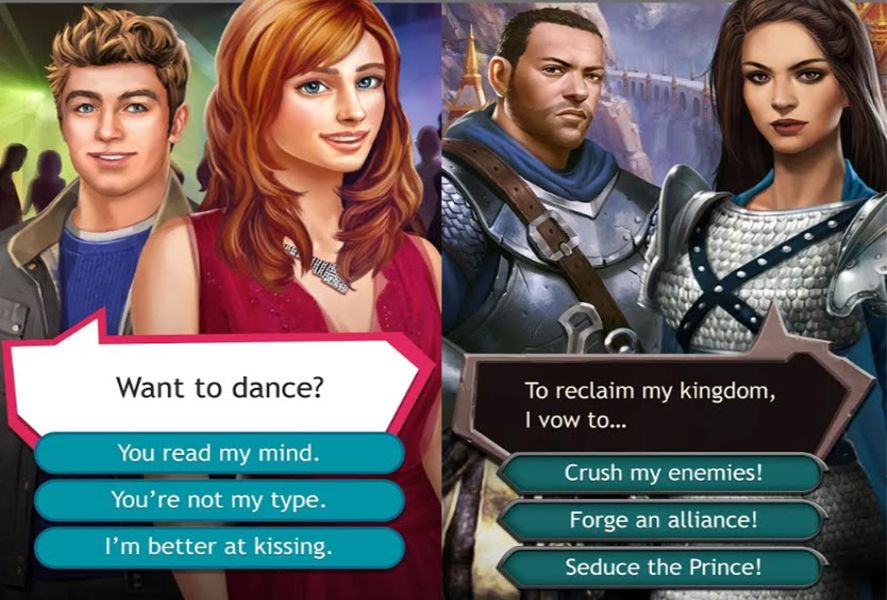
What it is: A curated library of serialized interactive novels from Pixelberry with production values that sit above most user-generated platforms.
How it plays: Books come in seasons. You’ll navigate dialogue choices, romance flags, and premium scenes that cost diamonds. Choice design tends to be cleaner than the average interactive app, and major arcs usually stick the landing. Expect weekly cadence for popular series, with side stories popping up between main seasons.
Why it stands out: It’s polished and predictable in a good way. If you like reading a chapter with lunch every day, you’ll always have something lined up, and the romance is typically the engine, not an afterthought.
Good for: Readers who want steady updates, tidy UX, and romance arcs that develop over a season rather than a handful of scenes.
Episode: Choose Your Story
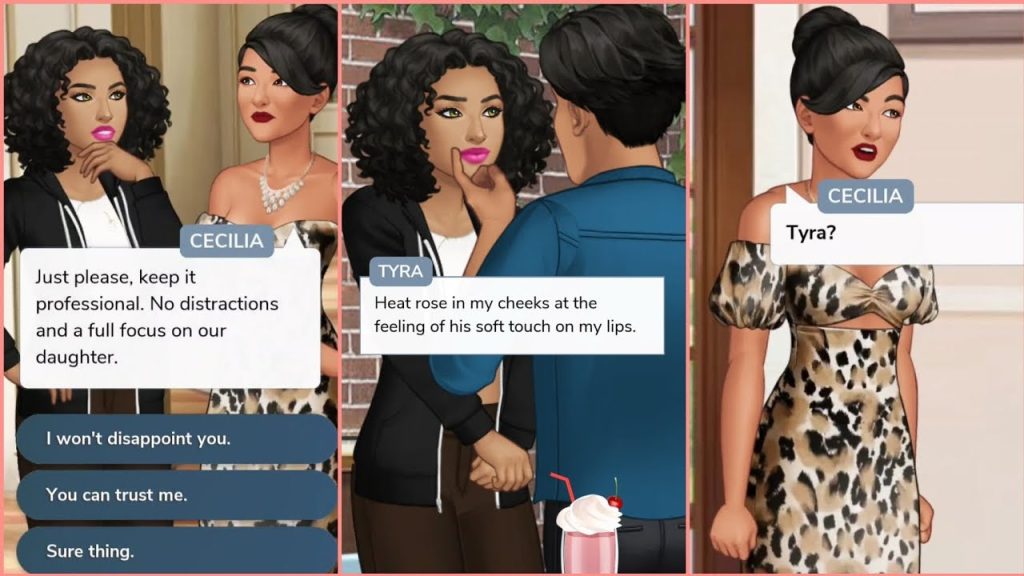
What it is: The massive platform with a mix of official series and tens of thousands of community-written stories.
How it plays: The experience varies wildly by story, which is both the point and the caution. The official series deliver consistent art and pacing, while community hits can be messy or brilliant. Gem choices lock flashy scenes and outfits. If you’re willing to hunt, you can find niche romances you won’t see anywhere else on mobile.
Why it stands out: Scale. If you have a very specific kink for, say, small-town second-chance romance with a paranormal twist, someone has written it. The trick is curating your library and being selective with gem spends.
Good for: Readers who love digging for hidden gems and don’t mind uneven quality to find exactly their vibe.
Chapters: Interactive Stories

What it is: An interactive romance app that leans into adult, steamy plots and happily-amped stakes.
How it plays: Similar to its peers, but faster moving and unabashed about high-drama twists. Premium scenes tend to be romantic or intimate moments worth saving diamonds for. Events and limited-time reruns let you catch up without starting from scratch.
Why it stands out: If you get frustrated waiting ten chapters for the first proper kiss, Chapters is impatient in a good way. It delivers early and keeps doubling down.
Good for: Readers who want faster-burn romance and don’t mind a splash of soap opera.
Dangerous Fellows
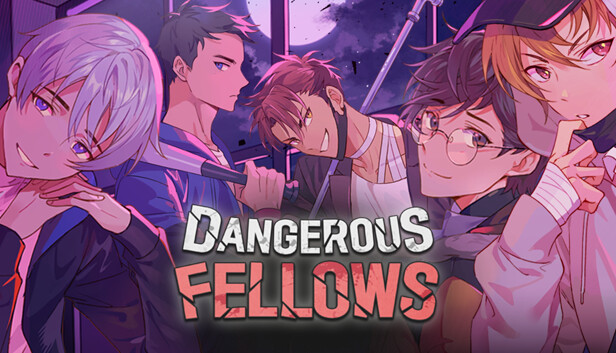
What it is: A post-apocalyptic otome where survival and romance get equal weight. It’s zombies, but the real tension is in trust.
How it plays: You’ll read chapters, make timed decisions, collect CGs, and manage affection across multiple leads. Gifting and side activities can nudge relationships, but choices matter in classic VN fashion. Expect multiple endings and a few stomach-drop moments if you misread a situation.
Why it stands out: The setting isn’t just wallpaper; stress alters how scenes land, and quiet bonding moments feel earned after action-heavy spikes.
Good for: Players who like romantic suspense and aren’t looking for a pure fluff route.
How we judged these Android romance games
We focused on the day-to-day experience. Does the loop make sense on a phone? Are the romantic beats paced like a relationship, not a slot machine? If there’s gacha, is it supporting the story rather than replacing it? We also considered:
- Route quality and payoff: If you commit to a character, the route needs to deliver distinct scenes and a real ending.
- Monetization sanity: We avoid titles where core romantic resolution lives almost exclusively behind premium choices without reasonable earn rates.
- Update health: For live services, a steady cadence of events and reruns matters. For premium, we value clean ports and offline stability.
- Inclusivity and clarity: Options should be stated up front and treated seriously in the writing, not as token toggles.
Why these still belong on a 2026 list
Romance games age differently than action games. What matters isn’t the texture resolution; it’s pacing, character work, and whether the daily loop respects you. Titles like Mystic Messenger and Stardew Valley remain fixtures because their core designs are strong and self-contained. Live services like Tears of Themis and Obey Me continue to earn a place if their event cadence and writing stay consistent. Interactive fiction libraries, meanwhile, are about breadth and curation; the best of them are still adding seasons, and their back catalogs remain playable for newcomers.
If you’re reading this long after publication, a quick store check will confirm regional availability. When in doubt, aim for the premium entries and evergreen life sims; they’re the least likely to change under your feet.
The bottom line
There isn’t a single “best” romance game for Android in 2026. There are formats that will either fit your life or fight it. If you want a romance that creeps into your day like a real crush, Mystic Messenger is still unmatched. If you want mechanics with your date nights, Tears of Themis hits a rare balance. If you need inclusive, stylish comfort, The Arcana remains an easy recommendation. And if you’re happiest binging chapters on the couch, pick your poison among Romance Club, Choices, Chapters, and Love Sick, and set a small weekly budget or a strict gem-saving plan.
Find the loop that suits your pace, then let the story do the rest.