
If you search for the best fashion games for Android in 2026, you will find a mess of recycled lists and screenshots that tell you almost nothing about how these games really feel to play. Fashion games live or die on pacing, creativity, and the community wrapped around them. Some are chilled-out dress-up sandboxes. Others are fast-moving social competitions where the economy is built on votes and likes. A few mix puzzle mechanics on top of styling, which changes everything about how you play and when you stop.
I spent time with the current crop and narrowed it to nine picks that hold up in 2026. These are not just the biggest names. They are the ones that still feel good on a phone when you open them at the end of a long day. The list balances realism and fantasy, story and sandbox, and old favorites with newer entries like Glow Fashion Idol. If you want pure dress-up, you will find it here. If you want the bustle of a social runway, that is here too. If you want a makeover game you can play while half-watching a show, you are covered.
Before the individual picks, a quick note about expectations. Mobile fashion games usually sit on one of a few rails: a closet-collector with competitive themes and voting, a narrative dress-up with scoring and crafting, a user-generated lookbook economy, or a makeover-puzzle hybrid. Monetization also varies a lot. Some titles lean on energy systems and limited events. Others let you breathe. If your patience level is low, or if you are trying to avoid spending, you should choose accordingly.
Glow Fashion Idol
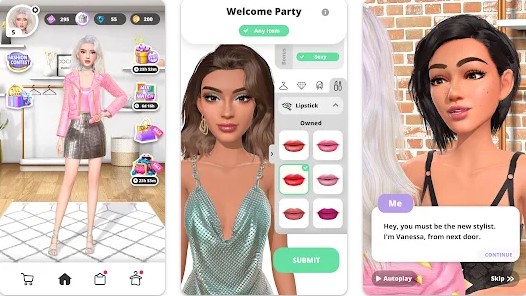
If you want something fresh in 2026, Glow Fashion Idol has been gaining attention for leaning into social runway play without turning the whole experience into a grind. It feels modern in the right ways: a fast feed of themed challenges, expressive characters with strong lighting and fabric shaders, and a photo mode that actually makes sense on a phone screen. It is built to be opened in short bursts, but it rewards longer sessions with deeper customization.
The early hours are generous. You quickly build a workable closet, learn how the game’s scoring rewards cohesion over noise, and get a feel for how much styling you can do without spending. Later on the cadence tightens. Premium pulls expand your options, as they do in most fashion games, yet Glow handles duplicates and set bonuses in a way that rarely feels punishing. It is not stingy for the sake of it. You can get far by being deliberate, using filters smartly, and saving currency for events you care about.
What makes it click is the runway itself. Voting is brisk and usually fair, and the themes push you to try silhouettes you might otherwise skip. There is enough skin tone, body shape, and makeup variety to make your avatar feel like yours. The palette tools are simple but effective. The photo filters go beyond the usual soft bloom look, which helps the feed from turning into a wall of samey shots.
You should know a few things going in. Like most live games, the experience ebbs and flows with events, and limited sets can create a fear of missing out. The community vibe is competitive but not hostile, though any voting system will surface the occasional questionable trend. Energy timers exist, but they are not aggressive. If you prefer a completely offline, ad-free world, this is not that. If you want a social fashion game that respects your time better than most, Glow Fashion Idol is the one to try.
Covet Fashion
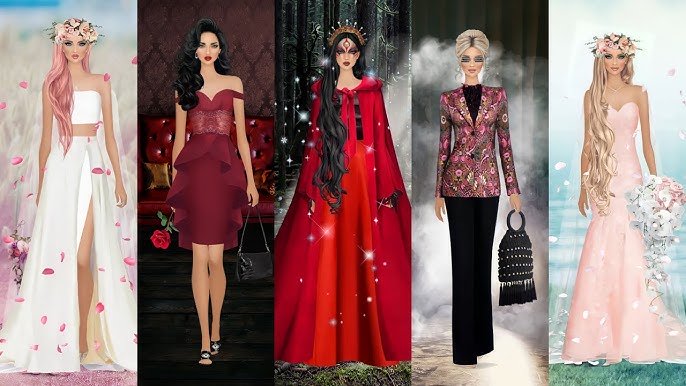
Covet Fashion has been around long enough to have seasons, eras, and inside jokes. There is a reason it survives. Real brands, clear theme prompts, and a tidy voting system make it just about the purest version of competitive mobile styling. You fill your closet, you read the brief, you style to the brief, and then you live with the result. It is ruthless in its clarity. That is part of the appeal.
What stands out in 2026 is how consistent it remains across devices and sessions. The UI still favors fast decisions, the closet filters are good once you learn them, and the scoring rewards cohesion. If you come from newer titles, the realism of the clothing and the alignment with actual seasonal palettes feels grounding. There is less costume fantasy here and more editorial styling. That razor focus can be soothing if you want to think like a stylist rather than a collector.
The trade-off is familiar. Covet’s economy expects you to engage regularly. Outfits cost currency. Entering more events grows your closet. You will feel the grind if you chase every limited drop. The way to keep it fun is to pick your battles. Choose the briefs that match your taste, and let the rest pass you by. If you aim for a steady rhythm instead of a sprint, Covet becomes a very satisfying daily habit.
Community is the heart of it. Voting has quirks like any public system, but broad taste trends are readable. If you are new, you can learn a lot by just watching what wins and why. The clubhouse scene still provides structure for people who want shared goals. If you have a midrange Android phone from the last few years, Covet runs fine. It loads quickly, it is network-reliant but not data-hungry, and it handles brief sessions without nagging you to stay.
Love Nikki: Dress Up Queen

Love Nikki is the deep-end pool of mobile dress-up. It looks light and friendly, and it is that, but the wardrobe is immense and the scoring system will reward you for caring about tags, attributes, and set bonuses. If you like the idea of a fashion RPG where assembling an outfit is a puzzle with multiple right answers, Love Nikki is still as absorbing as ever in 2026.
The campaign and stories are where it shines. You dress to beat chapters and bosses, but the tone is never mean. The animations and music carry a mood that suits commute play. You can dabble or grind. You will inevitably bump into the crafting web that turns extra pieces into better ones. That loop is what hooks people and also what burns them out if they mistake Love Nikki for a purely casual game. It is not. It is a collector with strategy baked in.
Events are plentiful. That is good if you want more to do, and complicated if you are trying to play without spending. The gacha for special sets sits at the center of that reality. The best approach is to pick a theme you adore, budget your currency, and skip the rest. The game is generous in small ways: dailies, achievements, and small tasks keep a drip of progress going even when you are not sprinting.
Two practical notes. One, if you are on a lower-end device, keep an eye on storage. The wardrobe art adds up. Two, make sure you understand the attribute system early. If you style to the wrong tags, you can end up confused about why higher effort did worse. Once you learn that language, the whole game opens up.
Life Makeover
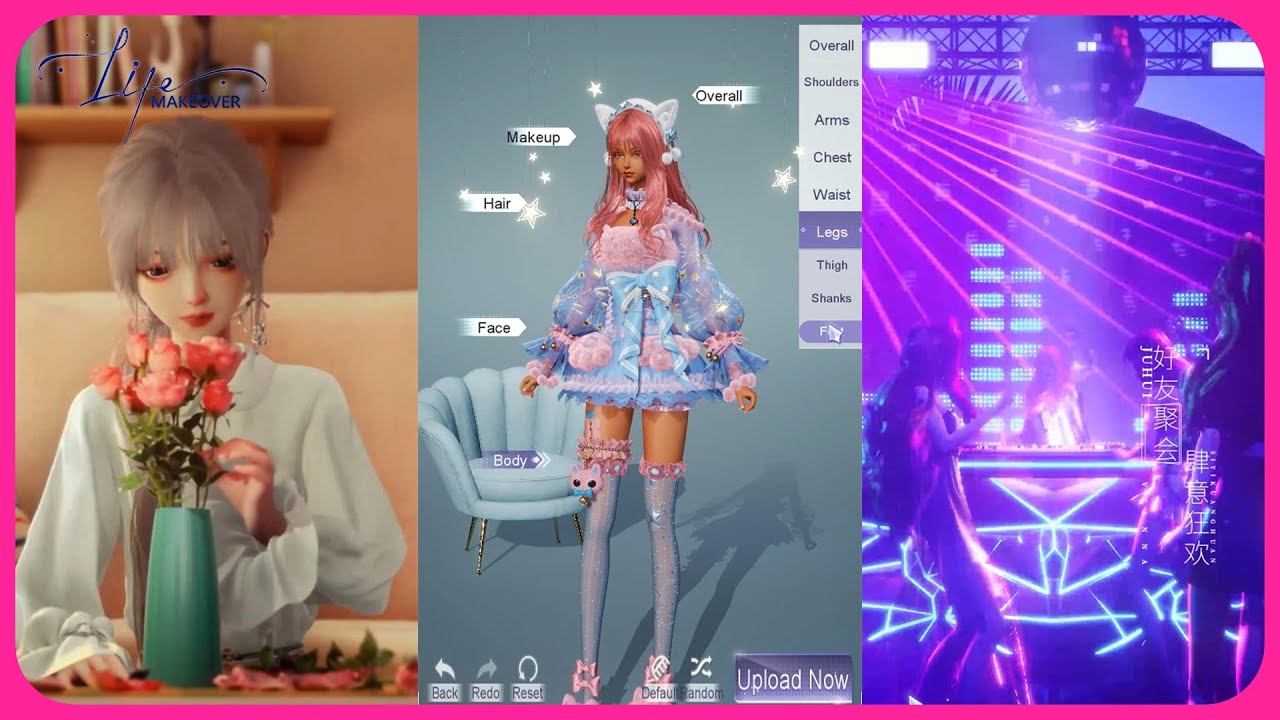
Life Makeover takes the high-fidelity route. The character creator is the headline, and for good reason. You can adjust features with a level of nuance that is rare on mobile. The cloth simulation, hair rendering, and environment lighting all push closer to console feel than you would expect from a phone. If realism matters to you, this is the one to download first in 2026.
It is not just a tech demo. The game mixes dress-up with lifestyle systems like housing and social spaces. You will spend time tuning your avatar, but also building a home that photographs well. The photo studio makes it easy to set a mood for your looks. Everything is built around sharing. The vibe is aspirational rather than competitive. Scoring exists, but you can live in the creative tools and ignore leaderboards without losing much.
The downside is obvious. It is a big install. It likes newer hardware. On older Android phones the load times stretch, and the detail sliders become an exercise in compromise. It is also very online. Expect regular patches and events that keep you coming back. The gacha exists, with the usual temptations. That said, the free toolset and level of control let you create striking images without chasing every limited drop.
If you care about fashion as a visual language, Life Makeover is a joy. For anyone who loves makeup looks, it is one of the only mobile games where you can tune small details without the interface getting in your way. The camera tools are straightforward. Exporting shots looks clean before you touch any third-party editor. It is a socially minded creative suite wrapped in a dress-up game, and that combination is rare.
Pocket Styler
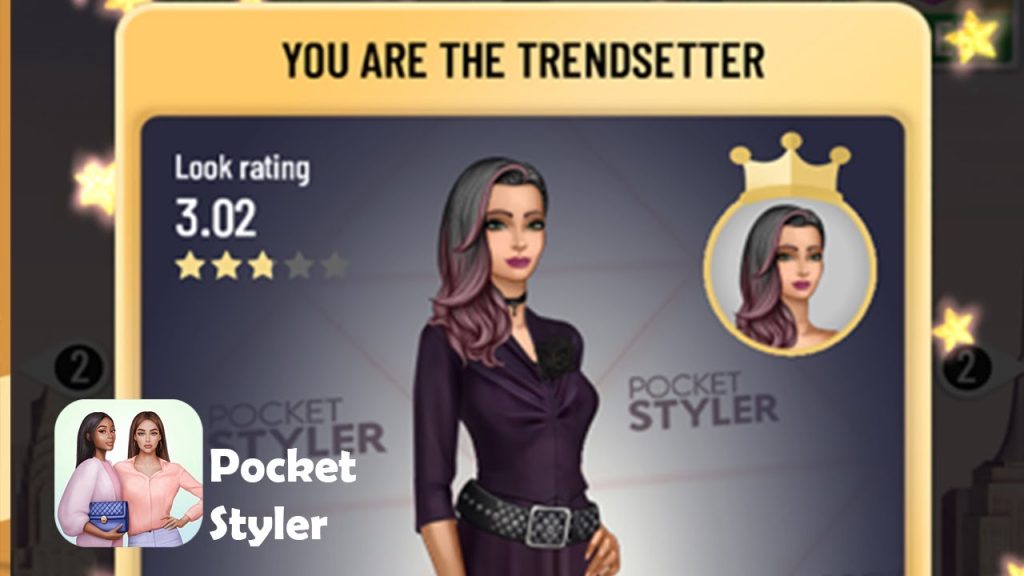
Pocket Styler lives on community energy. You are basically joining a giant, always-on style contest with a lookbook economy on top. The loop is simple: you style to themes, submit a look, and the community votes. Likes act as currency and validation at the same time, which is smart and a little dangerous if you let it get to you. The best part is how fast it all moves. You can enter, vote, and collect rewards in a few minutes.
There is no heavy story layer here. That is a plus if you want something that respects your time. The catalog is broad, and the color tools and layering let you get surprisingly precise. Because the whole game is basically a feed, you will see trends rise and fall. If you like to zag when everyone else zigs, there is room to make a statement. If you want to follow a dominant color story to rack up votes, that works too.
Monetization is direct. You buy what you want, or you grind likes. There is no puzzle gating and no stamina bar breathing down your neck. That sense of control is why Pocket Styler still appeals in 2026. The flip side is that it can feel transactional. Without a narrative or deeper progression system, your motivation might fade unless you are fully into the social loop or the design process itself.
Two quick tips help. Join a club early, and curate your feed by following creators whose taste you enjoy. Pocket Styler gets better when you see a familiar set of voices on the runway. Also, treat likes as a resource. If you vote thoughtfully, you will learn quickly which details move the needle and which are just noise.
Project Makeover
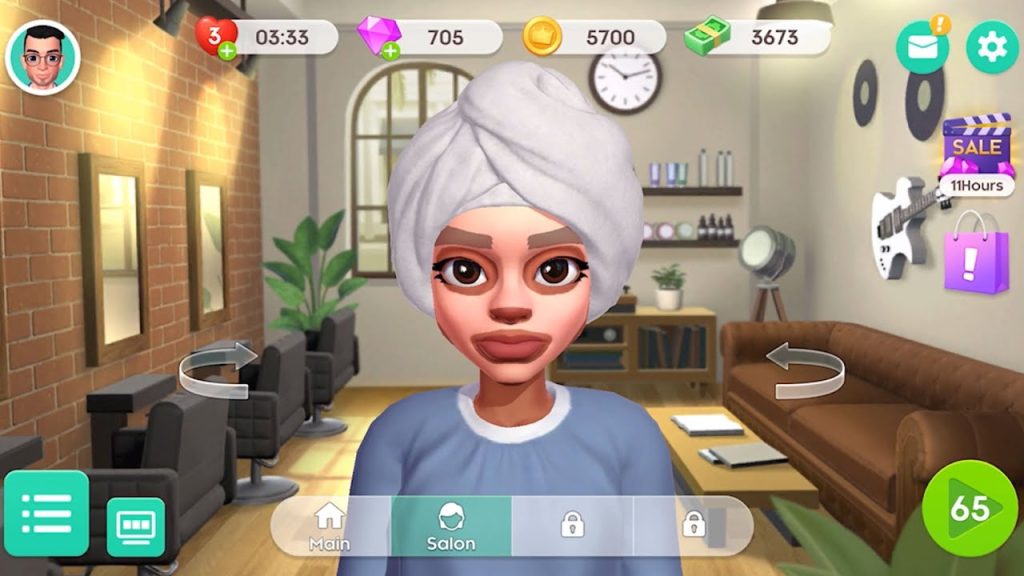
Project Makeover sits on the puzzle side of the aisle. You match tiles to earn the resources that fuel your makeovers, which include hair, makeup, outfits, and room design. That structure has a clear benefit. If you love casual puzzles, the styling becomes a fun reward after a tense board. If your heart is set on serious fashion mechanics, it can feel like the styling is the intermission rather than the show.
The writing is light and often cheesy in a friendly way. Makeover targets are rarely cruel caricatures. The tone stays upbeat, and the art is bright. Short sessions work well. One or two levels can fill a spare minute, then you back out without feeling punished. That is not nothing. On mobile, how a game fits your day might matter more than any feature list.
Progression is gated by level difficulty, not by an energy meter that drains when you style. That is a relief if stamina systems wear you down. It also means you will hit walls on harder boards. The usual free-to-play realities apply. Power-ups and extra moves exist for a reason. If you refuse to spend and want a predictable glide path, this might frustrate you. If you embrace the puzzle grind, there is a lot of game here without ever paying.
As a fashion experience, Project Makeover is broad, not deep. The hairstyles and makeup are fun, but this is not a stat-driven wardrobe puzzle or a high-fidelity photo studio. It is a cozy mix that earns its slot on this list because it nails a different mood: low-stress, colorful, and snackable.
Time Princess
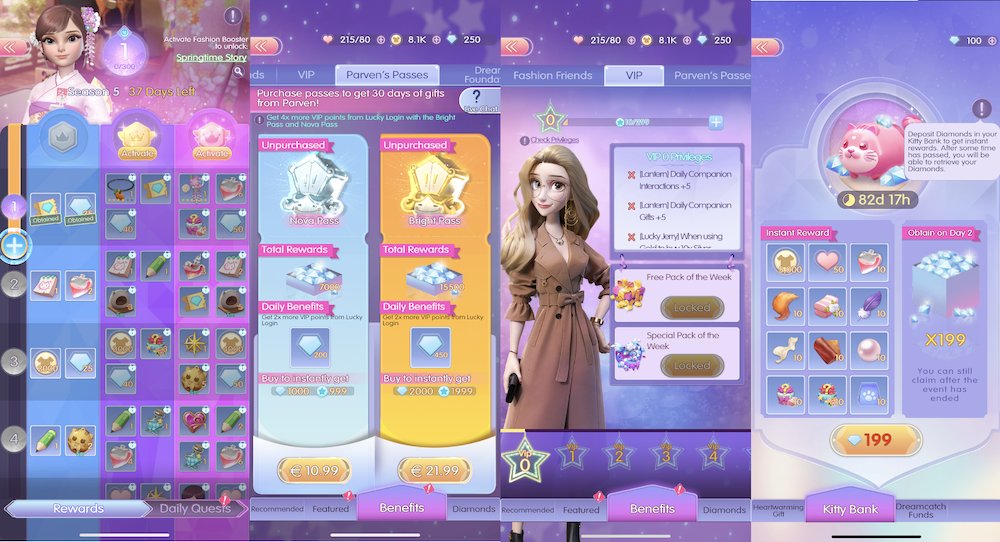
Time Princess, sometimes listed in stores as Dress Up Time Princess, approaches fashion through stories. Each chapter pulls you into a mini alternate history or fantasy with costumes that match. The pleasure comes from building looks that fit a narrative moment. Scoring exists, with attributes and crafting similar to other dress-up RPGs, but the writing adds stakes that can carry you past the usual gear treadmill.
It is gentle, which makes it good wind-down play. The cats are a whole thing. So is the crafting tree. If you like turning extra fabric into that one missing accessory that completes a set, Time Princess scratches the itch without being obtuse. You can see goals, and the path to them is readable. The art direction favors romance and fairytale over hard realism. That gives the wardrobe a distinct tone. If you are looking for streetwear, this is not your stop. If you want gowns that sweep and sparkle, come in.
Events can create pressure, the same as any live game. The way around it is to treat the stories like books. Finish one, take a breath, and only dive back when you want a new arc. That pacing helps you avoid feeling like you are missing out if you skip a limited set. It also makes the grind feel like progress toward an end rather than an infinite ladder with no top.
On Android, performance is stable across a range of phones. The interface is tidy, and the tutorials do not overstay their welcome. Cloud save works if you link an account, which you should do early if you bounce between devices. That simple step saves a lot of headache later.
Super Stylist
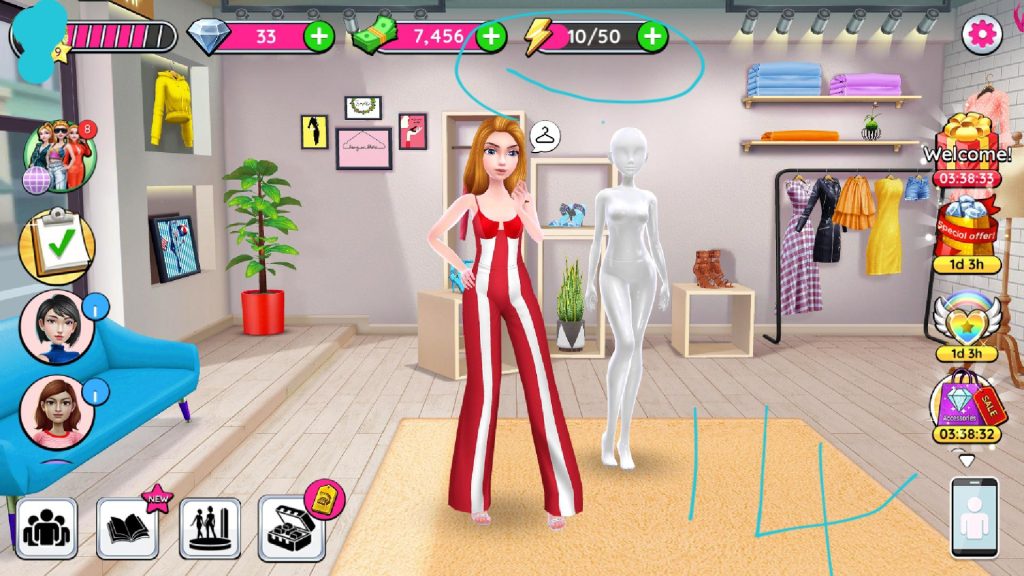
Super Stylist is a fast-paced, level-based take on fashion where you act like a personal shopper. Clients arrive with brief requests, you pick pieces from shops, and you earn by nailing the look. It moves quickly and rewards momentum. The loop is tactile. You feel like you are hustling around a small glam city, checking in with clients and swinging by stores to restock a rack.
It is brighter and more toy-like than closet-collector games. That is not a criticism. It suits the swipe-and-go rhythm that makes it ideal for quick breaks. The hair and makeup system is simple but expressive. You can make a statement without digging through filters for ten minutes. If some fashion games ask you to be a creative director, Super Stylist asks you to be a stylist on a tight schedule with a good eye. Different job. Different thrill.
It does run on timers. Energy and ads play a role. That is the trade-off for the breezy loop. If timers make you itchy, consider another pick on this list. If you want something that remembers the thrill of a quick retail find, Super Stylist delivers a lot of fun for very little overhead.
As for progression, new shops and items roll out fast at first and then settle into a slower cadence. That is when goals like perfect scores and special clients keep it interesting. Treat it like a casual career sim with a fashion twist, and it makes sense. Treat it like a collector, and you might bounce off the economy.
Fashion Empire
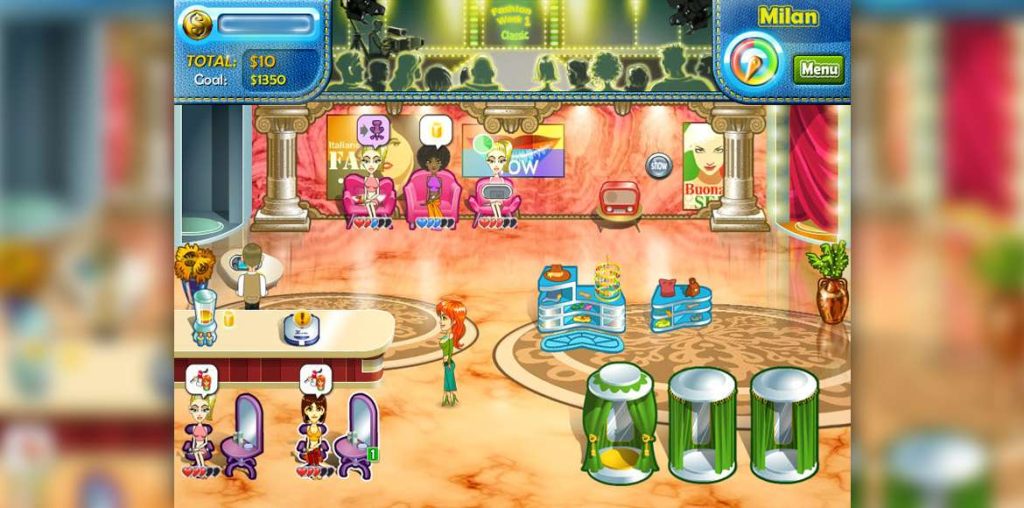
Fashion Empire is the calm one. It blends boutique management with dress-up while avoiding some of the live-service pressure you feel elsewhere. It is friendly to offline play, the catalog is broad, and the styling tools are open-ended enough to scratch the creative itch without tangling you in a knot of attributes and tags.
The shop simulation gives you something grounding to do between looks. Stocking racks, placing decor, and watching customers drift in and out creates an easy loop. It is less about leaderboard rank and more about building a space that feels like yours. That combination has kept Fashion Empire in quiet rotation for years. It never needs to be the only game you play. It is the one you come back to when you want a steady pace and a space to decorate.
It is not the flashiest pick here. The interface is older, and you will notice it. The camera and photo tools are simpler than the modern crop. But the core is sound. If you prefer to avoid gacha systems and live events dictating your schedule, Fashion Empire is a welcome throwback that still gets the basics right.
One practical plus: because it is lighter in effects and network calls, it plays nicely with older or budget Android phones. If you are sharing a device, or if your storage is already packed with photos and videos, that matters a lot more than ad copy wants to admit.
Quick recommendations by vibe
If you want a place to start without overthinking it, here is a quick mapping that has held up in 2026:
- Want competition with real-world styling: Covet Fashion
- Want a dress-up RPG with depth and crafting: Love Nikki
- Want high-fidelity creation and photo tools: Life Makeover
- Want a social runway and fast feedback: Glow Fashion Idol or Pocket Styler
- Want cozy puzzles with makeover rewards: Project Makeover
- Want fairytale stories and costumes: Time Princess
- Want fast client work and a retail vibe: Super Stylist
- Want offline-friendly boutique building: Fashion Empire
Tips to enjoy fashion games without burning out
Even good games can wear you down if you treat them like a job. A few habits keep things fun:
- Pick events you actually like. Skipping is a skill. You do not need every limited set to enjoy yourself.
- Set a spending rule and write it down. If your rule is no impulse pulls, keep it. If your rule is one bundle a month, stick to that too.
- Curate inspiration outside the game. Save looks you like to a folder, then try to recreate them with what you have. It keeps your brain in create mode instead of collect mode.
- Make screenshots part of the hobby. If a game has a good photo tool, use it. Share your looks in a small circle if public feeds feel stressful.
- Rotate titles. Playing two different styles of fashion game side by side keeps both feeling fresh.
The bottom line
The best fashion games for Android in 2026 do not all look alike, but they share a few things. They respect your time, they give you room to build a personal style, and they do not force you into a single way to win. Glow Fashion Idol is the right pick if you want a fresh social runway with a measured free-to-play touch. Covet Fashion remains the cleanest version of competitive styling. Love Nikki is the deepest wardrobe puzzle if you are willing to learn its language. Life Makeover is the creative studio. Pocket Styler is energy you can dip into all day. Project Makeover and Super Stylist are for light sessions that still feel like progress. Time Princess turns dress-up into storytime. Fashion Empire slows everything down on purpose.
Start with the one that matches your mood. If it fits your life, keep it. If not, do not hesitate to switch. Fashion, even in a game, is about trying things on, seeing how they feel, and moving on when it is time.

![How to fix Metadata file supplied is not a supported version [39] with an updated il2cppdumper](https://androidrebels.com/wp-content/uploads/2026/06/il2cppdumper-error-39.jpg.pagespeed.ce.PVbKvbIZKX.jpg)