What “like Minecraft” really means on Android

Before we get into specific games, it helps to set expectations. “Like Minecraft” can mean different things, without forgetting Minecraft is a MUST HAVE and permanently part of the “Best Mobile Games for Android” lists all around the web, including our one:
- Block-by-block building with mining, crafting, and survival
- Open-ended sandboxes with progression and crafting but a different camera or art style
- Social platforms with user-made worlds and minigames
On a phone, a few practical factors matter more than they do on PC: touch controls, how the game handles saves and performance on modest hardware, whether it works offline, how aggressive the monetization is, and how chaotic public servers can get. I’ll call those out where it matters.
The shortlist: great Android games like Minecraft
These are the Android games that consistently deliver a satisfying sandbox or survival loop on mobile. I’ve grouped them loosely by how closely they mirror the Minecraft experience.
Closest to block-by-block building
Survivalcraft 2
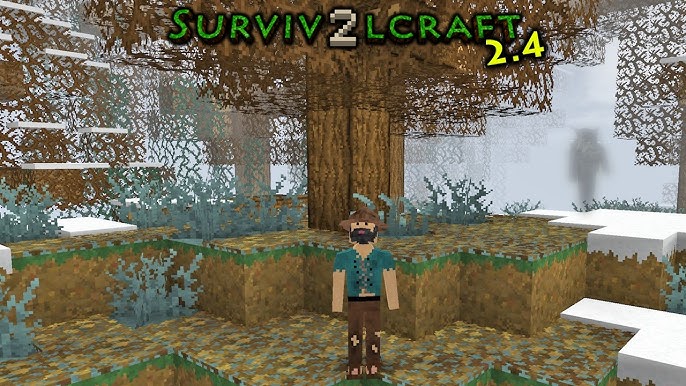
If you want something that feels unmistakably close to classic Minecraft survival while still doing its own thing, Survivalcraft 2 is the pick. It brings the familiar cadence of chopping trees, crafting tools, and building shelter, but folds in ideas that give it more of a wilderness-survival slant. Animal behavior is a notch more believable, weather can punish sloppy planning, and the crafting web has a practical, tinkerer’s logic. It’s less about cute farms and more about staying alive long enough to turn a rough camp into an outpost.
There’s no pretense here: it looks blocky, it plays like a survival sandbox, and it takes itself seriously. It’s a primarily single-player experience, which also means fewer headaches than some of the chaotic public servers in free-to-play clones. The pace is deliberate, and the interface asks for a bit of patience on smaller screens. If that’s your speed, it pays off with a satisfying grind that’s as much about observation as it is about clicking fast. It’s a premium app, so you avoid the constant nudge of ads or energy timers.
RealmCraft
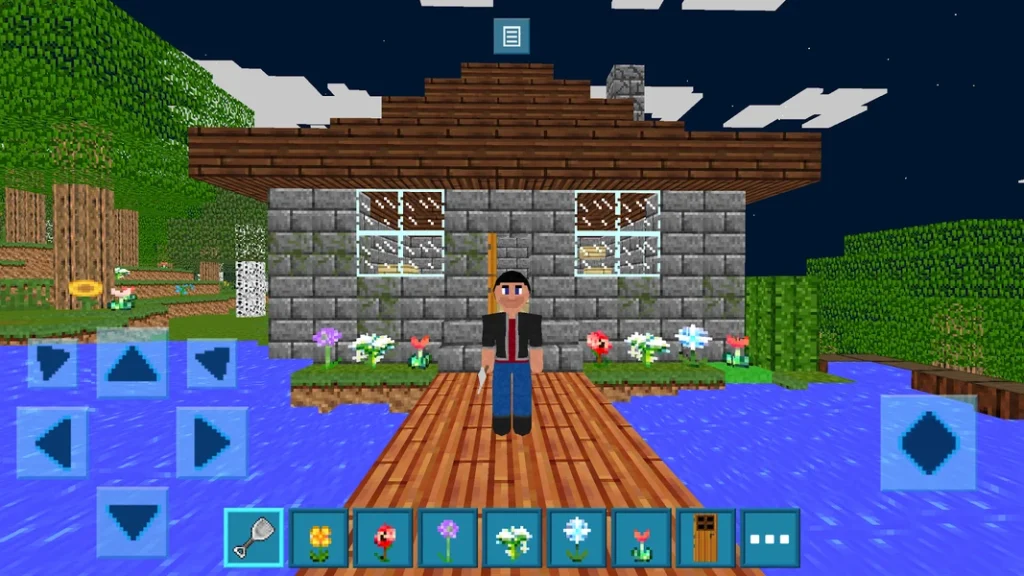
RealmCraft is a free, accessible builder that tries to hit the familiar beats: creative mode, survival, resource gathering, and big, chewable worlds. It wears its inspiration on its sleeve, and that’s the point. If you just want to stack blocks without buying the real thing yet, this gets you there. Expect ads, a shop, and the kind of free-to-play edges you usually see in mobile sandboxes. The upside is that it runs on a wide range of phones and doesn’t put a paywall in front of core building.
RealmCraft’s survival mode scratches the “day one, punch trees” itch, but its real strength is as a casual creative canvas that you can open for a few minutes at a time. If you’re installing this on a kid’s tablet, dig into the settings and keep a close eye on permissions and purchases.
PlanetCraft
PlanetCraft sits in a similar space to RealmCraft but pushes harder on multiplayer servers and social play. You get survival and creative, both offline and online, with a patchwork of public worlds to pop into. That makes it more unpredictable. Some servers are welcoming, some are chaos. Performance varies by device and world size, and the monetization shows up in the usual places. If you want to build with friends without spending money, it’s a workable option, but it requires a bit of curation to find the right spaces to play in.
Survival and crafting that scratch the same itch
Terraria
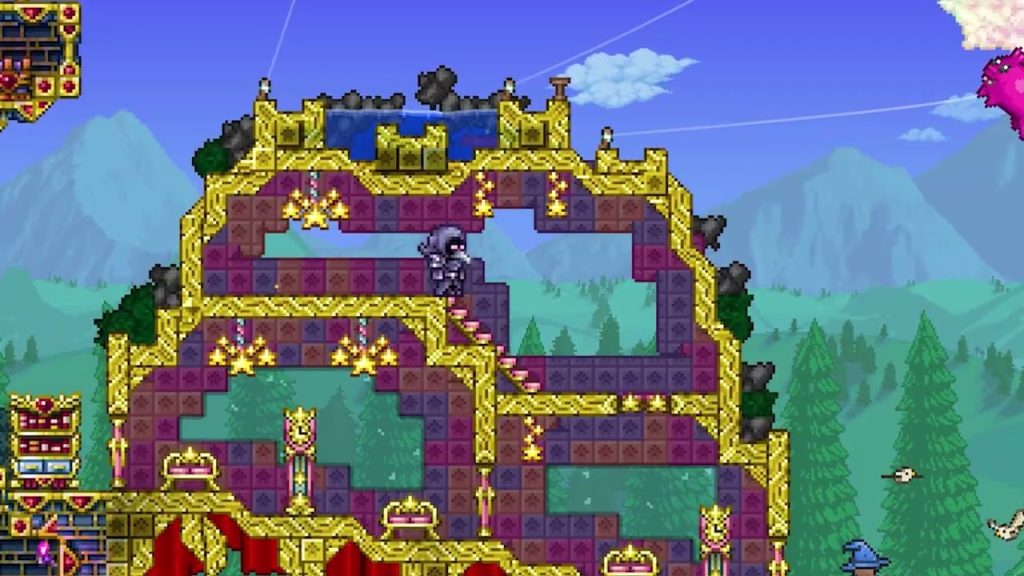
Terraria is the game people name when they want “Minecraft but 2D,” which isn’t wrong and also undersells it. The heart of Terraria is discovery and escalation. You start with copper tools and a flimsy house, and a dozen hours later you’re fencing in corruption, wiring traps, and kitting out a base that could pass for a mad scientist’s lab. It’s a premium, offline-friendly game with no ads, a huge progression ladder, and boss fights that actually make you rethink your loadout and arena design.
On Android, Terraria’s touch controls have come a long way. There’s a good mix of auto-targeting and precision placement, and external controllers are recognized if you prefer a more console-like feel. The worlds are dense, the biomes all have a reason to exist, and the crafting has depth without the sprawl of a wiki rabbit hole on day two. It’s not block-for-block building in 3D, but it nails the same feeling of starting nothing and shaping a world until it becomes home.
Crashlands
Crashlands is the friendly, story-driven cousin in this list. It’s a crafting adventure where you land on a planet, set up shop, and slowly expand your kit until your modest hut becomes a workshop humming with automation. The tone is lighter, the writing has personality, and the systems are tuned for touch. There’s inventory management without the usual dread, and base building that feels purposeful without being precious.
It’s a premium game with cloud saves and no ads. If you want crafting and progression without the constant threat of starvation or griefers, Crashlands is easy to recommend. It rewards tinkering, and it’s one of the few mobile crafting games that respects your time without sanding off every edge.
Portal Knights
Portal Knights is a 3D action RPG that builds its worlds as islands made of voxel terrain. You mine, you craft, you build, and you hop through portals to new biomes. The combat is more active than most on this list, and the progression is structured. It’s not trying to be a blank canvas. It’s trying to be an adventure you can decorate, and it works. On a decent phone or tablet, it looks good and runs well. Touch controls are workable, though a controller smooths out combat a lot if you have one.
Co-op is a highlight when it’s available, letting a small group settle into roles and chip away at bosses or build a shared base between runs. If you want the pleasure of placing blocks with the momentum of an RPG, Portal Knights balances the two nicely.
UGC platforms and social sandboxes
Roblox
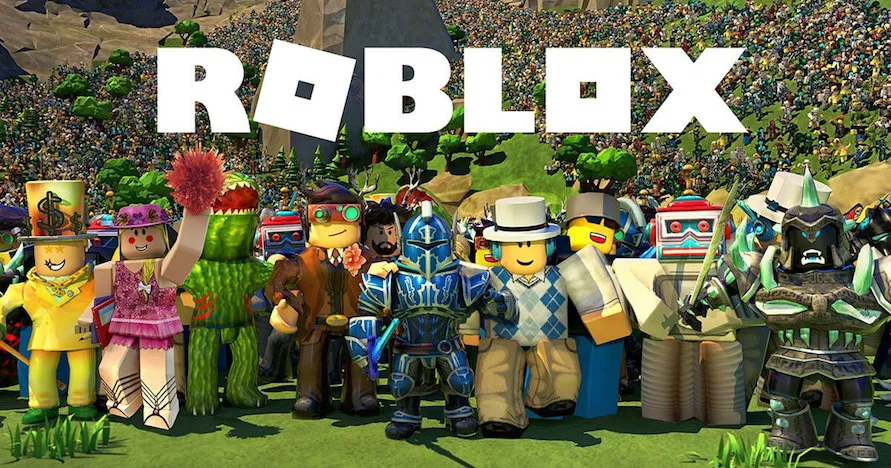
Roblox is less a single game and more a sea of user-made worlds. If you’re specifically hunting for Minecraft-like experiences, they exist in abundance: survival servers with resource gathering, creative build spaces, minigames that riff on block mechanics, and social hubs built out of cubes. Roblox’s strength is variety and frictionless multiplayer. Its weakness is the same thing. Quality swings wildly, and monetization shows up everywhere through Robux.
On Android, performance depends on the world and your phone. Touch controls are serviceable, and many experiences offer mobile-friendly layouts. If this is for a younger player, set up a proper account, check privacy and chat settings, and lock down purchases. With the right guardrails, it’s a bottomless well of blocky play sessions you didn’t have to set up yourself.
Mini World: CREATA
Mini World leans directly into the “build together” fantasy. It has full survival and creative modes, a bright, toy-like art style, and an emphasis on sharing worlds and hopping into other people’s creations. Think of it as a friendlier, more curated take on the open sandbox, with a social layer that makes it easy to show off builds or collaborate on projects. The free-to-play model is apparent, from cosmetics to unlocks, but the core building is there without a fee.
As with any UGC platform, the public feed is a mixed bag. The joy is in finding a circle of friends or creators you trust and sticking close to that orbit. On modest phones, keep an eye on memory usage when you jump between large worlds.
Growtopia
Growtopia is a 2D building MMO where the economy and social layer are the entire point. You start small, craft and splice seeds, collect blocks, and contribute to worlds that are shared by crowds of players. The vibe is part sandbox, part trading sim, part chat room. If your favorite part of Minecraft is working on a shared space and seeing it come alive when other people show up, Growtopia captures that in fast, vertical slices.
It’s always-online, moderation exists but can’t catch everything, and the marketplace mindset can be intense. For players who enjoy social building and the bustle of a live community, it’s addictive in a way most mobile sandboxes can’t match. It’s not a 3D builder, but it scratches the same creative itch with a very different camera angle.
Blockman Go
Blockman Go bundles blocky minigames and social hubs into one app. Bed-wars style matches, parkour races, and lightweight survival modes are all easy to jump into. It’s casual, busy, and tuned for quick hits of action. The look is unmistakably cubic, but the focus is less on long-term base building and more on competitive lobbies and dressing up your avatar. Monetization runs throughout, so set spending limits if younger players are involved.
Older but still interesting
Block Story
Block Story is a blend of sandbox and RPG with a strong dose of nostalgia. You mine and build, yes, but you also level up, tame creatures, and poke at a quest structure that points you around the map. It’s rougher than modern sandboxes in places, and the UI shows its age, but there’s charm in its messiness. If you like the idea of a block world with dragons and stats, it’s worth a look. Treat it as a single-player curiosity rather than a platform you’ll live in for months.
How to pick the right Android alternative
Once you narrow down the list, a few practical questions help you land on the right fit.
- Closest to Minecraft’s survival feel without going online: Survivalcraft 2
- Deepest progression and discovery: Terraria
- Chill crafting with personality: Crashlands
- Adventure-first, build-second in 3D: Portal Knights
- Free creative building with light friction: RealmCraft
- Free survival plus public servers: PlanetCraft
- Instant social worlds and minigames: Roblox or Mini World: CREATA
- Always-online creative economy: Growtopia
- Quick, competitive blocky lobbies: Blockman Go
- Sandbox RPG curiosity: Block Story
Why Minecraft still sits apart
Even if you find a brilliant alternative, it’s worth acknowledging why Minecraft remains a default. It fuses survival, building, redstone tinkering, and multiplayer into a whole that’s bigger than any one feature. On Android specifically, the official game has matured into a stable, feature-rich version with cross-device play and an enormous community, making one of the best Android games ever. The alternatives on this list either give you a cleaner single-player survival experience, a different kind of progression, or a cheaper on-ramp to creative building. None of them replace the entire package, but several are better at one particular slice of it.
Final thoughts
There isn’t a single “best game like Minecraft for Android.” There’s the best game for how you want to play. If you want the purity of chiseling away at a single-player survival world, get Survivalcraft 2. If you live for discovery and boss rushes, it’s Terraria. If you want to hang out in blocky spaces with friends, Roblox and Mini World are the easy doors to walk through. And if you prefer structure over freedom, Crashlands and Portal Knights carry you along without stealing your agency.
On a phone, the small stuff matters. Whether a game respects your time, whether it’s pleasant to build on a touchscreen, and whether you can enjoy it without wrangling pop-ups or strangers you didn’t invite. The picks above clear that bar, each in their own way. Start with the one that matches your mood, and let the rest wait for the next time you feel like building a new world from nothing.