
[ad_1]
With the early access open beta of Diablo 4 finished and with the public open beta in the pipeline we couldn’t help but publish a targeted guide to classes which will be present in the latest effort of Blizzard Entertainment. Although we have already tried the early access and although we will try to test the open public beta as well, we feel obliged to publish this article which could be of help to everyone, both to the old glories of sanctuaryboth to the new ones.
Classes – Diablo 4: class guide
The very first thing that is appropriate to do is talk about what the playable classes in Diablo 4. It is undeniable that the classes of Diablo 4 they seem taken directly from that undisputed masterpiece (according to the many fans of the saga) by Diablo IIin fact we will have the Cutthroat, Barbarian, Druid, Enchantress And Necromancer. All mostly similar to those we already know apart from the Cutthroatthat class is a mix between theMurderer (Diablo II) and the Demon Hunter (Diablo III).
Obviously among these there is not one that can be defined the best class, as each has its own attacks, abilities and requires to be mastered properly. The first piece of advice we will give you is therefore classic, that is to choose the class based on your personal tastes and above all based on the way you want to approach the fights in Diablo 4. If you wanted to face demons fighting them hand to hand you could choose the Barbarianwhile for magical ranged attacks your class could be Enchantress.
We will show you the details below every single class and we will show you some tips to get the most out of your character, in this long battle that will see opposing Inarius And Lilithonce lovers and parents of the human race and gods Nephilim. So, as the good would say Deckard Cain “Sit down for a moment and listen.”

Cutthroat – Diablo 4: class guide
- Strength: 7
- Dexterity: 10
- Intelligence: 7
- Willpower: 8
Overview of the Cutthroat
The Cutthroat is a stealthy assassin skilled at moving swiftly and silently, which means they can use repositioning or evasion skills in combat. Unlike barbarians, cutthroats can quickly switch between uses melee weapons to use ranged weapons such as daggers or bows, making them extremely versatile. Although bows initially won’t deal much damage, at least they will allow you to stay away from the target.
Cutthroat stats
The primary stats of this glaze include the Dexterity to amplify skill damage and improve dodging ability. There Force will be needed to improve energy regeneration while theIntelligence it could be useful to improve the critical hit chance and total resistance.
Cutthroat Game Mechanics
The class mechanics of Cutthroat is known as Talent specializationand is divided into Combo Points, Inner Sight, and Preparation, each with its own missions to complete. However, it is worth reminding you that it is not confirmed that it will be possible to activate and use all three specializations at the same time, or if they can only be used one at a time. Furthermore, the preparation has not been tested, as it only becomes available after reaching the level 30 of the character.
THE Combo Points will be accumulated by using the basic skills of the Cutthroat, you can then spend these points with basic skills to activate additional effects. In the meantime, Inner Sight allows you to fill a gauge by attacking marked enemies which will allow you to use unlimited Energy for a short amount of time, all very useful against Bosses.
The versatility of Cutthroat it doesn’t end there as it will also be able to infuse some attacks with specific effects such as Poison, Shadow and Cold. These statuses are usually applied to basic skills and skills that deal damage against multiple enemies such as Rapid Shot. If you intend to play Diablo 4 using a lightning-fast class that excels at dealing physical damage with melee and ranged weapons, and you don’t mind having to change stances quickly in combat, then the class Cutthroat is definitely for you.

Barbarian – Diablo 4: class guide
- Strength: 10
- Dexterity: 8
- Intelligence: 7
- Willpower: 7
Overview of the Barbarian
The class Barbarian it is suitable for players who want to deal damage in mass while still smoothly varying the type of weapon in use. Barbarians are more physical damage oriented compared to any other class present in Diablo 4 and are quite simple to use, both in terms of offensive and defensive skills.
Barbarian game mechanic
Thanks to their unique class mechanic, known as Arsenal systembarbarians can equip and swap about 4 weapons at a time, allowing for better customization of the paraphernalia in use. These include main hand, off hand, bludgeoning and slashing weapons. This way you can freely assign specific equipment to certain skills according to your needs.
For example Sweep, which allows players to stun and deal massive damage to targets, is fine when using a bludgeoning weapon, but if you want to further increase the stun duration of this skill, then you’ll need to switch to a two-handed bludgeoning weapon. It’s also worth noting that upon activating the skill, the character will automatically equip the best weapon in your inventory.
Each weapon used by the barbarian has a corresponding proficiency stat, thus increasing your ranks accordingly, for example, if you wanted to increase your chance of a critical hit, you would need to wield a one-handed axe. For this reason, it is highly recommended that you collect and prepare a wide variety of melee weapons to take advantage of the build diversity and item progression of this class.
In terms of stats, it will be necessary to invest the points mainly in Strength to amplify damageincreasing Willpower will have a better regeneration of the Fury and increasing Dexterity will increase the chance to land critical hits. As in Diablo II And Diablo IIIthe Barbarian retains the ability to annihilate large groups of enemies very well.
But Diablo IV pushes barbarian capabilities even further, allowing them to constantly focus on single powerful targets such as bosses by dealing bleed damage. However, they still retain some of their abilities that have long cooldowns, thus slowing down their damage dealing to the enemy.
The barbarian’s skills are varied, in some cases it will be possible to inflict Bleeding, melee control techniques and team actions. Alternatively, you can also choose to enhance auto-buffs to deal as much physical damage as possible. If you’re comfortable taking down enemies and bosses with melee attacks then the barbarian is the class for you.

Druid – Diablo 4: class guide
- Force: ???
- Dexterity: ???
- Intelligence: ???
- Willpower: ???
Druid overview
The next class we’re going to see in Diablo 4 and the Druid, who has the ability to change his physical form from human to that of a bear or a werewolf. Compared to the druid class already seen in Diablo II Druids can now transform instantly when using their beast ability. In addition, this class is very focused on the use of magic and allows you to deal additional damage to enemies using skills suitable for the purpose.
Druids can be supported by Companions that do not need to be summoned, but they will automatically be placed to attack enemies, and Companions will also be able to take advantage of active skills to deal more damage. Currently nothing is known about the statistics of the Druidjust as nothing is known about those of the Necromancer.
Druid game mechanic
Some information tends to suggest that the game mechanics of Druid is related to the discovery of special objectswhich should be equipped to the spirit animals. In this way you will be able to guarantee yourself different passive bonuses based on the type of spirit animal, unfortunately it has not yet been revealed how many types of spirits are available in the final game, however each of them can guarantee up to 6 passive and defensive effects. If you want to go on an adventure Diablo 4 experimenting with different types of attacks and transforming yourself into other animal forms then we can only recommend you to play the class Druid.

Enchantress – Diablo 4: class guide
- Strength: 7
- Dexterity: 7
- Intelligence: 10
- Willpower: 8
Enchantress overview
L’Enchantress it is one of the highest risk classes but the one that can get the best finds, despite being very fragile it still deals excellent elemental damage by casting fire, ice and electric spells. Fire-type spells synergize well with incendiary status effects to deal damage over time to enemies.
The same cannot be said for ice spells, which are mostly recommended for attacking large groups of enemies. Anyway theenchantress has a variety of skills with which to keep the enemies under control and thin out during the adventure, also very useful against the bosses based on the type of magic you intend to use.
Enchantress stats
Focusing for a moment on the enchantress’ stat points, we recommend spending most of the points on Intelligencethis will be needed to increase the damage of the spells. As for the Dexterity will be needed for increase mana recoverywhile the Willpower it will be useful for increase critical strike chance.
Enchantress game mechanic
Enchantress unique game mechanic is called Enchantment system and changes how a skill works. There are several active skill slots combined with dedicated Enchantment slots, if you place a skill in a Enchantment slot it can no longer be activated and will turn into a secondary passive bonus. For example, it can be activated Meteor to detonate the targets and thus set the ground on fire to inflict further damage.
The enchantress class is excellent for those who want to approach the game using spells and powerful elemental magic that inflict lots of damage from a distance to enemies. However We advise gamers to only use this class as support when in a groupsince its “fragility” is one of the disadvantages that should not be underestimated.

Necromancer – Diablo 4: class guide
- Force: ???
- Dexterity: ???
- Intelligence: ???
- Willpower: ???
Overview of the Necromancer
The last class in Diablo 4 and the Necromancer who is a renowned summoner, will often bring corpses back to life to fight alongside him in battle. As barbarians and cutthroats, they have at their disposal a wide variety of weapons such as swords, daggers, wands and most importantly scythes, which only they can use as battle equipment.
The Necromancer Of Diablo IV will remind veterans of the Diablo III necromancer thanks to the resource Essence which will be used to activate her powerful abilities. Another useful resource for the necromancer are corpses, which are created from the remains of fallen enemies or other spell effects. With them it will even be possible to activate almost lethal explosions for enemies who will be nearby.
Necromancers have 4 distinct playstylesthat is to say Bone, Darkness, Blood And Army. The skills Bone they mainly focus on dealing physical damage by consuming the essence resource and one of its most important spells is Bone Prison, which will trap more enemies and can be used in conjunction with offended skills. Next is Darkness which will allow you to deal damage over time, making it the ideal choice for those who intend to torture enemies who dare to fight them.
The third style is Bloodwhich will allow the necromancer to become a vampire with the ability to restore one’s lifeone of the spells that should not be underestimated is Blood Absorption, which not only absorbs the health points of enemies, but also absorbs their strength. Last but not least style is Armywhich will allow the gamer to bring the corpses of enemies back to life or to build golems.
Game mechanics Necromancer
The unique game mechanic of the Necromancer is called Book of the Deadwhich will allow the necromancer to further customize his army of the reanimated dead, such as Skeleton Warriors, Skeleton Wizards, or Golem. For example, the Skeleton Warriors they can become Skirmishers that do more damage but at the expense of maintaining a lower health pool, or Defenders which deal less damage but make a great defensive line.
Is summoning armies of battle dead to attack and annihilate your enemies the tactic you want to use in battle? Then the necromancer class is definitely the one for you, we can’t wait to see you in game.
Progression System – Diablo 4: Class Guide
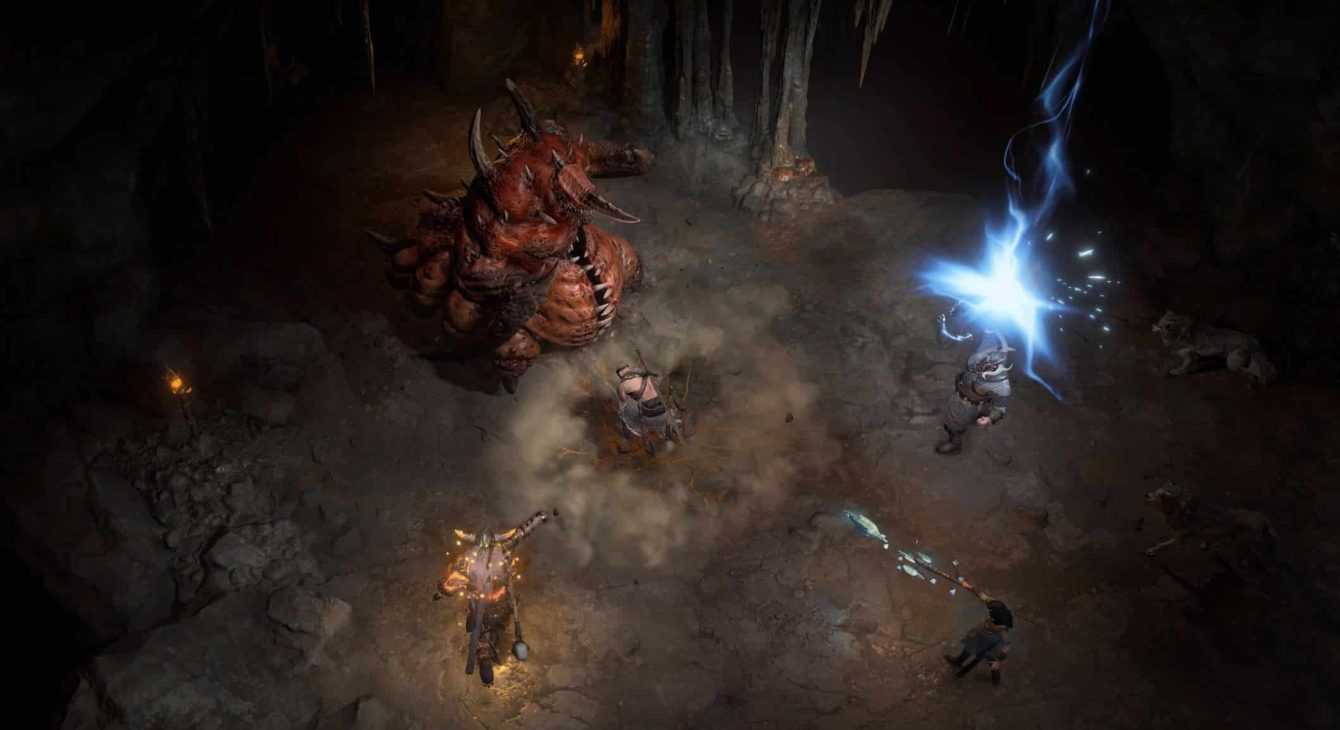
One of the aspects not to be underestimated in any chapter of the saga of Diablo and the character progression system. A good progression system not only keeps gamers engaged, but also gives them a sense of fulfillment and good motivation to keep playing. The character progression systems in Diablo 4 I am Fame, Lilith’s Altars and the Codex of Power.
Fame
One of the main systems of Diablo 4 it’s the system Fame, which is an account-based reward system that unlocks rewards for all characters linked to that account. This system includes skill points, potion bottles, hero points, and each zone in Diablo 4 has its own progression. You can increase your Renown system in several wayssuch as unlock portals, complete side quests, find Altars of Lilithliberate Strongholds, complete dungeons and more.
The Fame system is a phenomenal addition to the game and caters to all types of players. Hardcore players who want to have an edge over others can benefit from extra skill points and hero points, completionists who like to complete the game can take advantage of the area’s varied progression, while basic players will benefit from the natural progression system, as they will complete the Fame system simply by completing the game itself.
Altars of Lilith
Another system that throws us into exploration and discovery are the Altars of Lilith. These stone altars are scattered all over the world sanctuary and will permanently increase the specific stat for all characters on your account. This is especially useful for speeding up the tedious leveling stages, i.e. the first few levels of another character.
The only problem with the system is whether you’ll be allowed to use them however you see fit based on the character you’re using, as what if I used all those strength points to upgrade my barbarian? By creating a second character, perhaps Enchantress, I may have little use in acquiring those strengths. Because of this it’s supposed that for each new character it is possible to reallocate those points as you see fit.
Codex of Power
A powerful new addition is the Codex of Power. This is pretty much one giant manual that collects all legendary skins which you unlocked by completing specific dungeons for the first time. Each dungeon in Diablo 4 unlocks specific legendary skins for your Codex of Power, and there are a wide variety of skins, including offensive, defensive, resource, utility, and mobility.
It will be possible to use these powers to pass them on to rare and legendary objects that you will find in your path, which will help you build your best builds there. However, it is important to point out that these powers are not the strongest that can be acquired in the game, since they are extracted from low-level legendary items. It will therefore be necessary to keep looking for objects and better equipment in the game if you want to really get the most out of your game character.
The Skill Tree
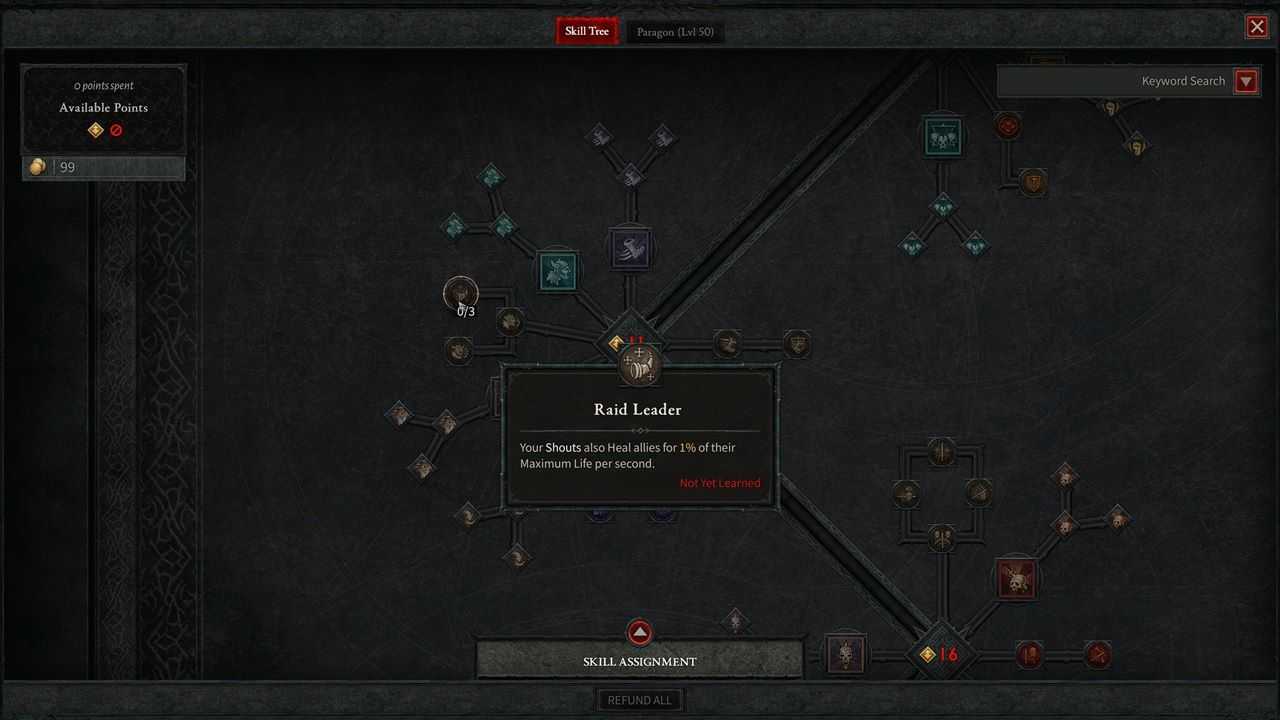
Finally we have an element that cannot be missing in any chapter of Diablo, and that is theSkill tree. This mechanic is very similar to that of the previous chapters, especially to the one already seen in Diablo II, we could in fact choose various passive or non-passive skills as we level up, and each class will have its own unique skills. Choosing well which skill to unlock and use is the basis of planning for a good self-respecting build.
We have come to the end of this guide to the classes present in Diablo 4, which we hope will be useful to face the adventure in the simplest way possible. We remind you that Diablo 4 will come out for PlayStation 4, PlayStation 5, Xbox One, Xbox Series X/S, And pc The June 6, 2023and that in these days an open beta will be accessible for anyone who wants to try it.
[ad_2]